Akhal-Teke Horses – The Golden Horses of Turkmenistan
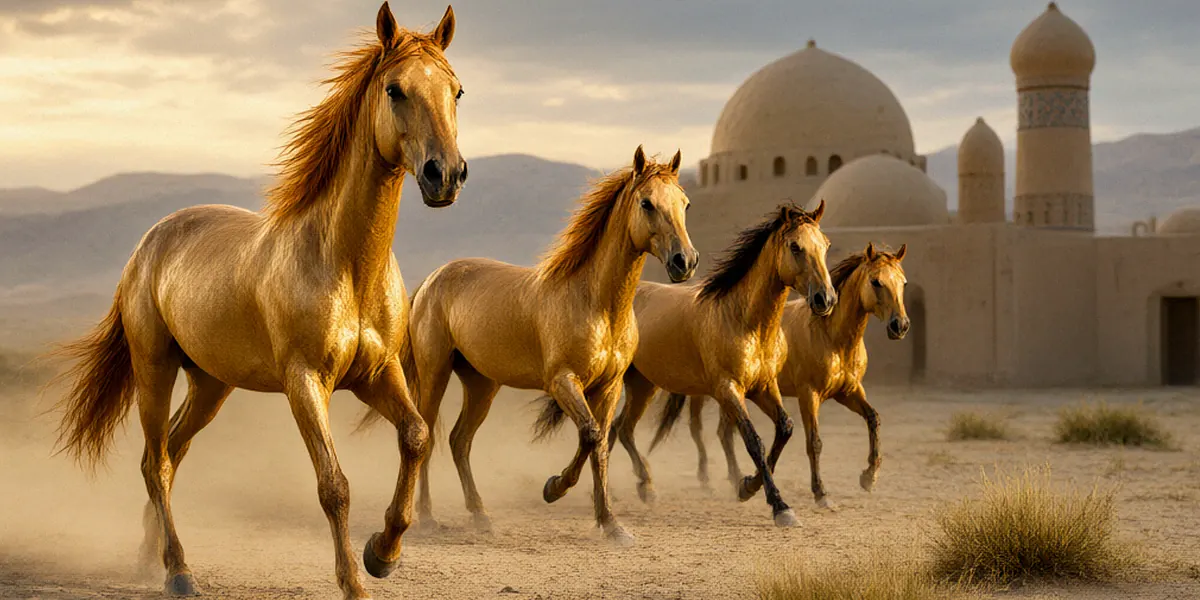
Picture a horse standing in the low winter sun, its coat catching the light and glowing like polished bronze. That shimmering, metallic sheen is the first thing most people notice about the Akhal-Teke horse, and it is the reason the breed is so often called the golden horse. We launched akhaltekehorses.com because we believe this remarkable breed deserves a proper home in the UK — a place where owners, breeders and curious newcomers can find honest, practical information about keeping and breeding Akhal-Tekes in Britain. Whether you are searching for your first Akhal-Teke, planning an Akhal-Teke breeding programme, or simply fascinated by the golden horse of the Turkmen desert, we hope you will find something useful here.
What Makes the Akhal-Teke Horse So Special?
The Akhal-Teke is one of the oldest horse breeds in the world, with roots stretching back thousands of years to the plains and oases of Turkmenistan. Bred by nomadic Turkmen tribes for endurance and speed across harsh terrain, the breed developed a slender, athletic build, remarkable stamina and a fierce loyalty to its handler. Today the Akhal-Teke Society of Great Britain works to protect those qualities in the UK herd, and we are proud to support its efforts.
The Legendary Golden Coat
The breed’s famous metallic coat comes from the unique structure of its hair, which refracts light rather than simply reflecting it. Colours range from pale cream and buckskin to rich gold, bay and even black, but the golden horse with its gleaming, almost metallic finish is the image that captures hearts. That shine is not a trick of the camera — it is genuinely visible in the field, especially in the golden hour.
Origins in the Karakum Desert
The Akhal-Teke was shaped by the Karakum Desert, where water was scarce and only the toughest horses survived. Turkmen riders covered enormous distances with little food or water, and the breed evolved extraordinary endurance as a result. This desert heritage explains much about the Akhal-Teke today: its efficient movement, its light frame and its ability to thrive on relatively modest rations.
Temperament and Intelligence
Akhal-Tekes are famously intelligent and sensitive. They bond deeply with one person and can be challenging for handlers who expect a placid, push-button ride. They want to understand what is being asked of them, and they respond best to patience, consistency and respect. For the right owner, that partnership is enormously rewarding.
Akhal-Teke Breeding in the UK: Our Approach
Our breeding philosophy is simple: health first, temperament second, and the preservation of authentic Turkmen bloodlines always in mind. We believe the Akhal-Teke breeding community in the UK is strongest when breeders share knowledge openly, use registered stock and prioritise soundness over fashion. Studs such as Halsdon Akhal-Tekes have helped raise the breed’s profile here, and the Akhal-Teke Horse Society UK provides the registration framework that keeps our records trustworthy.
Choosing the Right Akhal-Teke Stallion
Selecting an Akhal-Teke stallion is about far more than colour. We look at conformation, movement, documented lineage, temperament and health screening. A stallion who throws calm, sound foals is worth more to the breed than one who simply shines brightest. Where possible, we visit the stallion in person and speak to owners who have bred to him before.
Caring for the Akhal-Teke Foal
An Akhal-Teke foal needs careful, patient handling from the very beginning. We keep early experiences calm and positive, introduce routine gradually, and avoid over-facing youngsters. Good nutrition, turnout with other youngstock and consistent farrier care all help a foal develop into a confident, well-balanced adult.
Registration and Passports in the UK
All foals bred in the UK should be registered and passported correctly. In practice this means:
- Notifying the relevant breed society promptly after birth
- Completing DNA parentage verification where required
- Arranging a microchip and a UK equine passport
- Keeping breeding records accurate for future generations
Getting this right protects both the foal’s value and the integrity of the breed.
Owning an Akhal-Teke in the United Kingdom
Owning an Akhal-Teke in the UK is a genuine pleasure, but our climate does demand a little extra thought. Wet winters, heavy clay soils and long damp spells are very different from the Turkmen desert, so British Akhal-Teke breeders and owners quickly learn to adapt their management.
Feeding and Nutrition for UK Conditions
Akhal-Tekes are efficient feeders and can easily become overweight on rich British grazing. We favour plenty of fibre, controlled turnout on lush pasture and careful monitoring of body condition through the seasons. Good-quality hay or haylage should form the backbone of the diet, with hard feed added only when work or condition genuinely requires it.
Exercise and Competition Opportunities
The breed excels in endurance, dressage, showjumping and showing. There are growing opportunities to compete under Akhal-Teke classes and breed shows, and the breed’s natural athleticism suits a wide range of disciplines. Regular varied work also keeps an intelligent horse mentally settled.
Common Health Considerations
Like all horses, Akhal-Tekes face a few UK-specific challenges. Mud fever is a recurring problem in wet winter paddocks, so we manage turnout, keep legs clean and dry, and act quickly at the first sign of scabs or swelling. Rugging is often necessary for thin-skinned or clipped horses during cold, wet weather, and regular worming, vaccination and dental care remain essential.
The Akhal-Teke Community in the UK
One of the joys of owning this breed is the community that surrounds it. The Akhal-Teke Society of Great Britain connects owners, breeders and enthusiasts across the country, offering advice, events and a shared passion for the golden horse.
UK Breeders and Studs
Several dedicated British Akhal-Teke breeders and owners are working to establish the breed here. Halsdon Akhal-Tekes is one of the best-known names, and visiting a stud is by far the best way to see the breed in the flesh before you commit.
Shows and Events
Breed classes and in-hand showing give owners a wonderful opportunity to showcase their horses. Major events such as the Royal Windsor Horse Show have helped introduce the Akhal-Teke to a wider British audience, and smaller breed-specific gatherings offer a friendlier, more informal setting for newcomers.
Online Forums and Support
Between events, online groups and forums keep the community connected. They are excellent places to ask about feeding, training, breeding lines and vets who understand the breed.
FAQ
Is the Akhal-Teke suitable for a first-time horse owner?
Not usually as a first horse. Their intelligence and sensitivity mean they need an experienced, patient handler who understands how to build trust. Many owners come to the breed after years with other horses.
How do I find an Akhal-Teke for sale in the UK?
Start with the Akhal-Teke Society of Great Britain and established studs such as Halsdon Akhal-Tekes. Speaking directly to breeders is far more reliable than relying on general sales sites.
Can Akhal-Tekes live out in the British climate?
Yes, with sensible management. They generally need shelter, careful rugging in wet and cold weather, and vigilant monitoring for mud fever during the winter months.
What disciplines suit the breed best?
Endurance is a natural fit, but Akhal-Tekes also do well in dressage, showjumping, eventing and breed showing. Their athleticism makes them versatile competitors.
How do I register an Akhal-Teke foal in the UK?
Contact the relevant breed society shortly after birth, complete any required DNA parentage testing, and arrange microchipping and a UK equine passport. The society will guide you through each step.
The Akhal-Teke is a living piece of history — a golden horse shaped by desert winds and centuries of careful breeding. Preserving that heritage in the UK depends on committed owners and breeders working together, and our community is always glad to welcome newcomers. If you would like to see the breed for yourself, get in touch with us or with the Akhal-Teke Society of Great Britain, visit a stud, and experience the golden horse firsthand. We think you will understand the fascination immediately.
Latest articles
- Why Akhal-Teke Horses Have a Metallic Coat
 Why Akhal-Teke Horses Have a Metallic Coat Picture an Akhal-Teke standing in the low evening sun of a British summer, its coat… Read more: Why Akhal-Teke Horses Have a Metallic Coat
- The Akhal-Teke in Endurance and Dressage
 The Akhal-Teke in Endurance and Dressage: A UK Perspective Picture a golden coat catching the low afternoon sun on a Wiltshire hillside… Read more: The Akhal-Teke in Endurance and Dressage
- The Akhal-Teke Breed: Origins and History
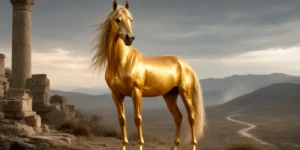 The Akhal-Teke Breed: Origins and History Few horses stop people in their tracks quite like the Akhal-Teke. With its shimmering metallic coat… Read more: The Akhal-Teke Breed: Origins and History
- How to Choose a Healthy Akhal-Teke Foal
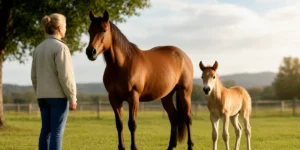 How to Choose a Healthy Akhal-Teke Foal Bringing home an Akhal-Teke foal is one of the most exciting moments in any horse… Read more: How to Choose a Healthy Akhal-Teke Foal
- Gifts for the Kings: The Akhal-Teke in Royal History
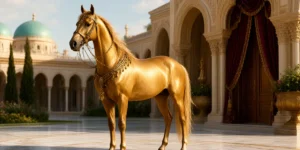 Gifts for the Kings: The Akhal-Teke in Royal History Picture a stallion standing alone in a courtyard, his coat catching the light… Read more: Gifts for the Kings: The Akhal-Teke in Royal History
- Feeding and Care for Akhal-Teke Horses
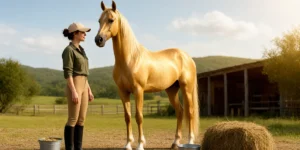 Feeding and Care for Akhal-Teke Horses: A UK Owner’s Guide When we welcomed our first Akhal-Teke to a livery yard in Gloucestershire,… Read more: Feeding and Care for Akhal-Teke Horses