
The Akhal-Teke Breed: Origins and History
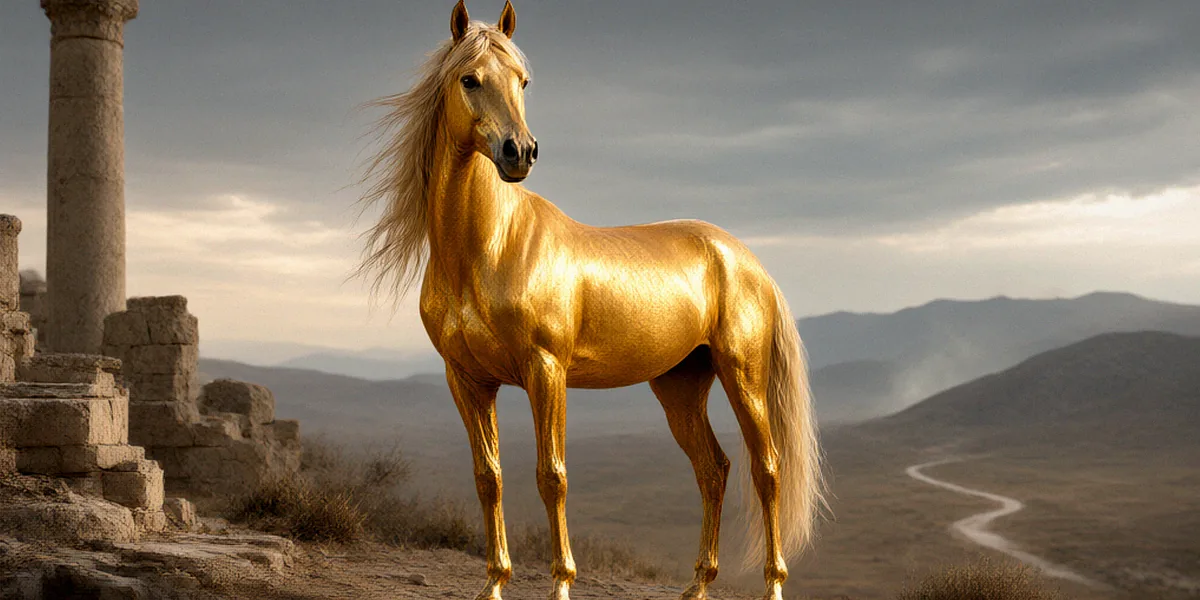
Few horses stop people in their tracks quite like the Akhal-Teke. With its shimmering metallic coat — the quality that earned it the nickname “the golden horse” — this breed looks almost too exotic to be real. Yet behind that gleam lies one of the oldest horse breeds on earth, shaped by desert winds, tribal loyalty, and centuries of careful selection. Here at akhaltekehorses.com, we want to trace that remarkable journey, from the sands of Central Asia to the fields and studs of modern Britain, so UK owners and enthusiasts can appreciate exactly what they are working with.
Ancient Roots in the Turkmenistan Desert
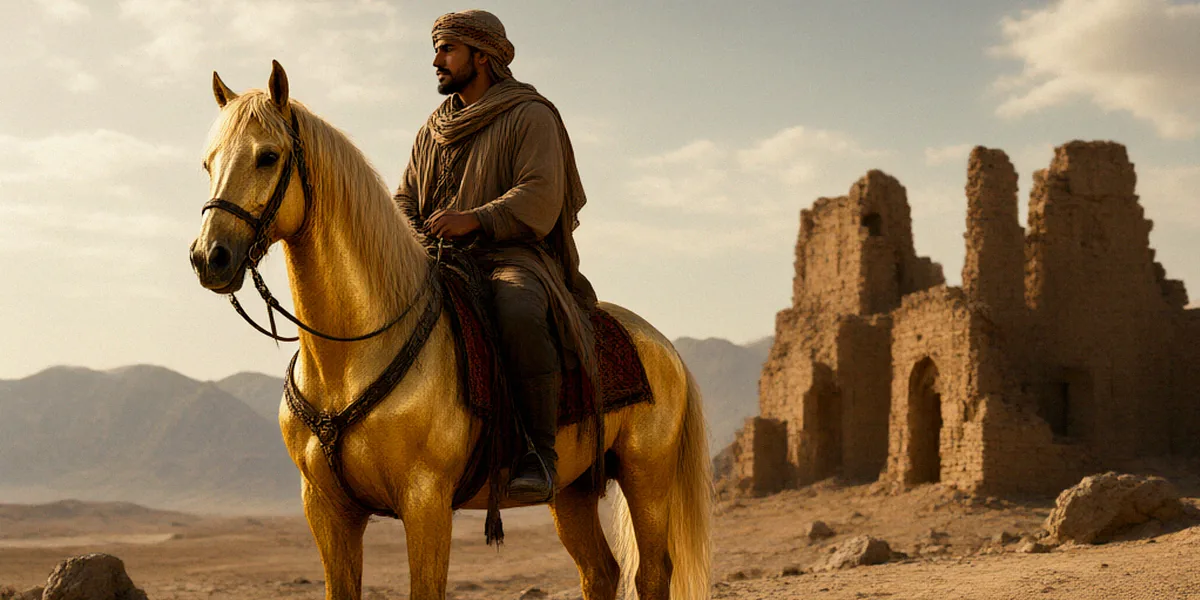
The Akhal-Teke’s story begins in the Karakum Desert of Turkmenistan, the breed’s ancestral homeland. This is a landscape of scorching summers, bitter winters, scarce water and vast open space — conditions that would break most horses but instead forged one of the toughest and most elegant breeds in the world. For the Turkmen tribes who lived along the oases and caravan routes, the horse was not simply livestock; it was family, status and survival rolled into one.
The Role of Turkmen Tribes in Selective Breeding
Turkmen breeders practised selection long before the word “pedigree” existed. Horses were raised alongside the family, often kept close to the tent for protection from theft and extremes of weather. Each tribe — the Teke being the most famous — developed its own bloodlines, and a good horse could elevate a family’s standing as much as any material wealth. This generations-long devotion to the finest individuals, rather than random breeding, is precisely why the Akhal-Teke is regarded as one of the oldest and purest horse breeds still in existence.
Adaptations to Harsh Desert Environments
Desert life left its mark on the breed’s physique and metabolism. Akhal-Tekes are renowned for their remarkable efficiency — they can cover long distances on very little water and feed, and they regulate body temperature in extreme heat better than most breeds. Their lean, dry build, fine skin and sparse mane and tail are all adaptations to the climate. Anyone who has owned one will recognise the breed’s famous stamina: this is a horse built to cross a desert, not to stand in a stable.
The Golden Horse of Legend and Trade
The breed’s fame spread far beyond Turkmenistan. Its speed, endurance and dazzling coat made it a prized gift between rulers and a valuable commodity on ancient trade routes. Over the centuries, the Akhal-Teke became associated with warriors, emperors and legends — a reputation that still clings to the breed today.
The Silk Road and Cultural Exchange
The Silk Road carried more than silk and spices; it carried horses. Turkmen horses travelled along these routes into Persia, the Middle East and beyond, influencing other oriental breeds and earning admiration wherever they went. Their value was such that they were sometimes exchanged as diplomatic gifts, and their bloodlines quietly shaped horse breeding across Asia and Europe.
Myths and Historical Anecdotes
Perhaps the most famous story is that Bucephalus, the beloved horse of Alexander the Great, was of this type — a tale that has never been proven but refuses to die, and which says much about the breed’s legendary status. Other accounts tell of Turkmen riders and their horses enduring journeys that would exhaust any ordinary mount. We treat such stories with a healthy dose of caution, but they capture something true: the Akhal-Teke has always been a horse of extraordinary reputation.
From Russian Empire to Global Recognition
The breed’s modern history is as dramatic as its ancient one. Turkmenistan’s incorporation into the Russian Empire, and later the upheaval of revolution, brought the Akhal-Teke to the brink of extinction — before dedicated breeders pulled it back.
The Russian Revolution and Population Decline
The years around the Russian Revolution were catastrophic for the breed. War, economic collapse and the disruption of traditional Turkmen life decimated horse numbers, and the Akhal-Teke was reduced to a dangerously small population. At one point, only a few hundred purebred animals are thought to have survived. Without intervention, the golden horse might have vanished entirely.
Key Stud Farms and Preservation Efforts
Rescue came through organised breeding. Stavropol Stud in Russia played a key role in preserving the breed, alongside other state studs that gathered surviving animals and maintained careful breeding records. These efforts kept the bloodlines alive through the twentieth century and eventually allowed the breed to be exported to Europe, North America and beyond. The studbook tradition established in this era still underpins responsible Akhal-Teke breeding today.
The Akhal-Teke in the United Kingdom
Britain came to the breed relatively late, but enthusiasm here has grown steadily. The Akhal-Teke Society of Great Britain was founded in 1991, giving UK owners and breeders a formal home for the breed and a way to share knowledge, register stock and promote the horse to a wider public.
Early Importations and Pioneering Breeders
The first British importations were small in number and driven by passionate individuals rather than commercial fashion. UK breeders like Jayne and Steve Wainwright have been instrumental in promoting the breed, establishing bloodlines and raising its profile at shows and events across the country. Their work — and that of other early pioneers — laid the foundation for the small but committed UK community that exists today.
Modern UK Breeding and Show Success
Today, UK-bred Akhal-Tekes compete in showing, endurance and ridden classes, and the breed’s striking appearance never fails to draw attention. British breeders are increasingly focused on producing athletic, sound horses with the correct breed type, while maintaining the temperament that makes Akhal-Tekes such rewarding partners. The community remains small, which means every foal matters and every breeder’s choices carry real weight.
Breed Characteristics and Modern Breeding
Anyone considering an Akhal-Teke should understand what makes the breed distinctive — not just the coat, but the whole package of physique, stamina and sensitivity.
Physical Traits and Temperament
The breed is known for its metallic sheen, often called the “golden horse” quality, caused by the unique structure of the hair shaft. Beyond the coat, typical traits include:
- A fine, dry head with a straight or slightly Roman profile
- Long, upright neck and a lean, athletic body
- Sparse mane and tail, often with little or no forelock
- Exceptional endurance and heat tolerance
- High intelligence and strong bonding with a single handler
- Sensitivity and reactivity — rewarding, but not for the faint-hearted
Temperament is where the breed divides opinion. Akhal-Tekes are intelligent, loyal and often deeply attached to their person, but they can be sharp and need sympathetic, consistent handling. They are not a novice’s first horse, but for the right owner they are unforgettable.
Breeding for Health and Performance
Modern breeding aims to preserve breed type while improving soundness, fertility and performance. In the UK, breeders must balance the desire for exotic colour and metallic sheen against the need for correct conformation and good temperament. Challenges include a small gene pool, limited numbers of quality stallions, and the cost of importing fresh bloodlines. Careful planning, honest record-keeping and cooperation between breeders are essential.
Preserving a Living Legend
With a global population still numbering only in the thousands, the Akhal-Teke remains a conservation concern. Preserving the breed is not nostalgia — it is the active management of a unique genetic resource.
Genetic Diversity and Conservation
Because the breed passed through a severe bottleneck in the early twentieth century, genetic diversity is limited. Responsible breeders use DNA testing, maintain detailed pedigrees and, where possible, introduce carefully chosen lines to reduce inbreeding. International cooperation between studbooks helps ensure that breeding decisions are made with the whole population in mind, not just individual yards.
How UK Enthusiasts Can Support the Breed
You do not need to own a stud farm to make a difference. UK enthusiasts can support the breed by:
- Joining the Akhal-Teke Society of Great Britain and taking part in its events
- Choosing a well-bred, health-tested foal from a reputable UK breeder
- Sharing accurate information about the breed online and at shows
- Supporting endurance, showing and ridden classes that showcase the breed’s abilities
- Encouraging new owners with mentorship and honest advice
Every conversation, every shared photograph and every well-planned foal helps keep this remarkable breed visible and viable in Britain.
Understanding where the Akhal-Teke comes from — the Karakum Desert, the Turkmen tribes, the Silk Road, the near-miss of extinction and the patient work of studs like Stavropol — deepens our appreciation of every horse we meet today. For UK owners, that history is also a responsibility: to breed wisely, care well and ensure the golden horse continues to thrive in Britain for generations to come.
FAQ
What is an Akhal-Teke horse known for?
The breed is best known for its metallic, shimmering coat — hence the nickname “the golden horse” — as well as its endurance, intelligence and lean, athletic build. It is considered one of the oldest horse breeds in the world.
Are Akhal-Teke horses good for beginners?
Generally, no. Akhal-Tekes are sensitive, intelligent and form strong bonds with one handler, which makes them rewarding but demanding. They suit experienced, patient owners who can provide consistent handling and plenty of turnout.
How many Akhal-Teke horses are there in the UK?
Numbers remain small. The Akhal-Teke Society of Great Britain, founded in 1991, supports UK owners and breeders, and the population here is measured in dozens rather than thousands — which is why every breeding decision matters.
Can Akhal-Tekes live out in the British climate?
Yes, with sensible management. Despite their desert origins, Akhal-Tekes adapt well to UK conditions provided they have shelter, appropriate rugging in wet and cold weather, and good quality forage. Their fine coats mean they feel the cold more than native breeds.
How can I buy an Akhal-Teke foal in the UK?
Start by contacting the Akhal-Teke Society of Great Britain and established UK breeders such as Jayne and Steve Wainwright. Ask about pedigree, health testing and temperament, and visit the dam and foal in person before committing.