
The Akhal-Teke in Endurance and Dressage: A UK Perspective
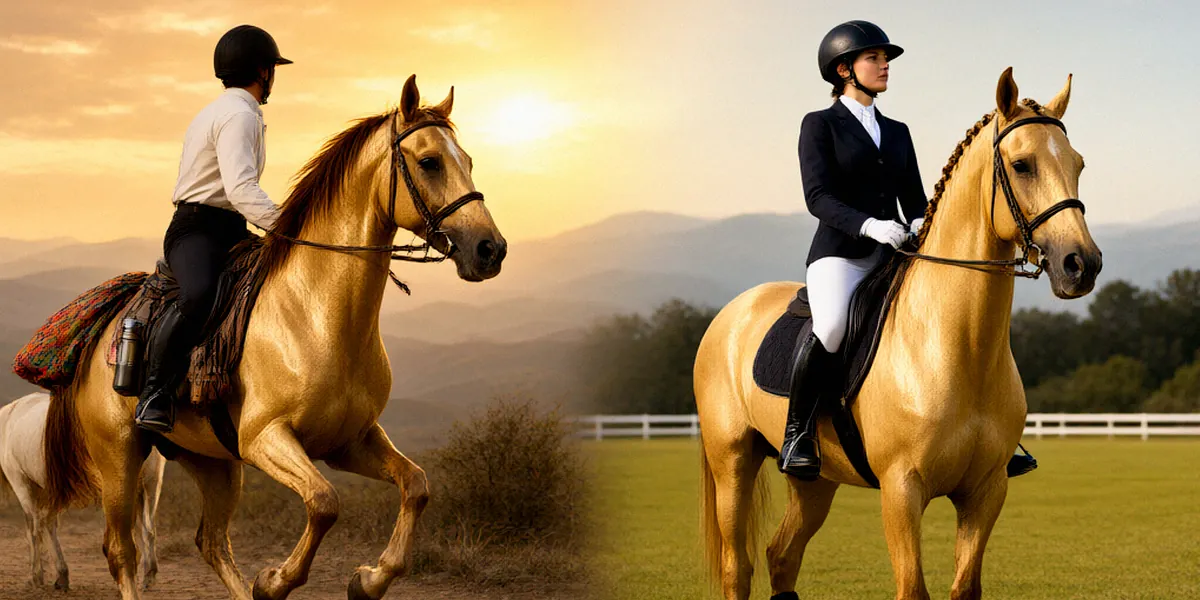
Picture a golden coat catching the low afternoon sun on a Wiltshire hillside — that metallic sheen is the trademark of the Akhal-Teke, and it never fails to turn heads at British shows. But once the initial awe wears off, a practical question emerges: can this ancient desert breed genuinely hold its own in two disciplines as different as endurance riding and dressage? We believe it can, and in this guide we’ll explain why, drawing on the breed’s history, its physiology, and the growing community of UK owners and breeders proving the point.
Why the Akhal-Teke Suits Endurance Riding
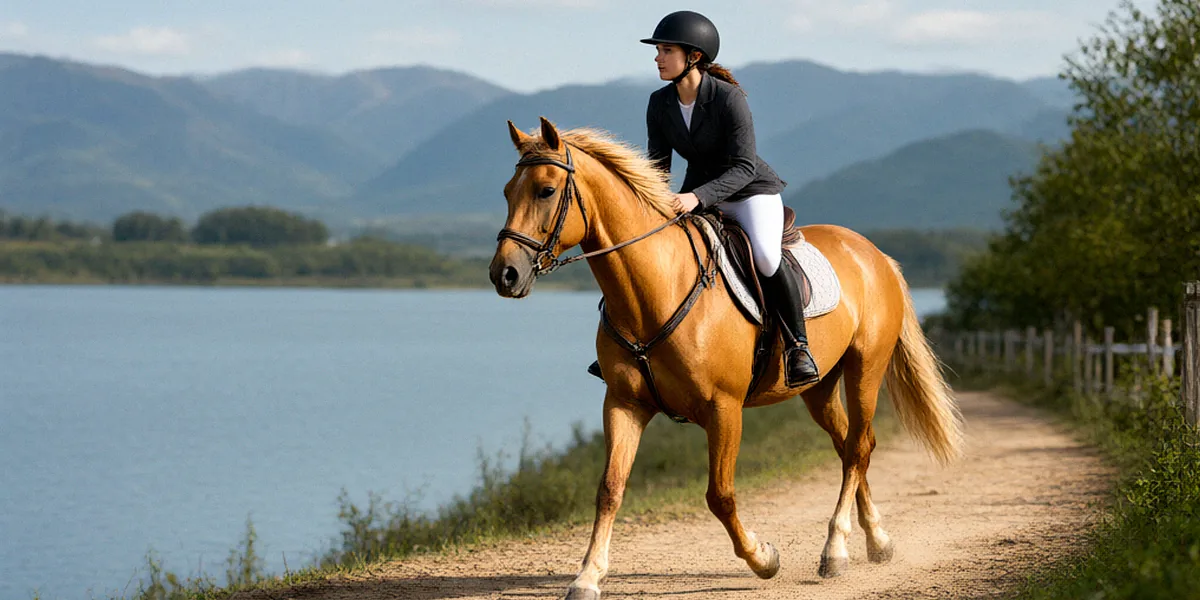
The Akhal-Teke was shaped by the Karakum Desert, where survival demanded efficiency rather than bulk. That heritage translates directly into endurance performance: lean muscle, a light frame, and a metabolism that extracts maximum value from limited feed. The breed’s reputation was cemented in 1935, when a group of Turkmen riders covered the route from Ashgabat to Moscow — a distance of over 4,000 km — in just 84 days, crossing deserts and steppes with minimal water. Few modern breeds can claim a comparable demonstration of stamina.
Here in the UK, Akhal-Tekes have competed at the Golden Horseshoe Ride on Exmoor, one of the most prestigious endurance events in the country. The demanding Exmoor terrain — steep combes, exposed moorland, and unpredictable weather — suits a horse that stays calm, recovers quickly, and keeps eating and drinking on the move.
Physiological Advantages: Heart, Lungs, and Cooling
Several physical traits give the Akhal-Teke an edge over long distances. The breed typically has a fine, thin skin with a sparse coat, which aids heat dissipation — a real benefit during a hot British summer. Their hearts and lungs are proportionally efficient, and their light bone structure reduces the energy cost of every stride. Crucially, Akhal-Tekes tend to sweat efficiently and recover their heart rates quickly at vet gates, which is exactly what endurance judges want to see.
Historic Feats: The 1935 Turkmenistan to Moscow Trek
The 1935 Ashgabat-Moscow ride remains the breed’s defining endurance achievement. Covering over 4,000 km in 84 days, the riders and horses crossed the Kara Kum desert, the Ustyurt plateau, and the Volga steppes. The horses arrived in Moscow in condition fit to parade — a feat of conditioning, genetics, and horsemanship that still informs how we think about the breed’s capabilities today.
Akhal-Teke Breeding for Endurance Performance
Breeding for endurance is a long game, and UK breeders are increasingly deliberate about it. Soviet-era studs such as Tersk and Stavropol left a lasting influence on lines that combine stamina with soundness, and many British breeding programmes trace back to those bloodlines. The Akhal-Teke Society of Great Britain serves as the primary breed association in the UK, maintaining the studbook, organising shows, and connecting breeders with owners and riders.
Selecting for Stamina: What UK Breeders Look For
When we assess potential endurance lines, we look at several factors:
- Recovery heart rate and respiratory efficiency after work
- Leg conformation — straight, clean limbs with good hoof quality
- Appetite and willingness to eat and drink during exercise
- Temperament: calm under pressure, but forward-going
- Proven performance in the pedigree, ideally over multiple generations
Notable Akhal-Teke Stallions in Endurance
Several stallions have made their mark in endurance both in the UK and internationally, passing on soundness, work ethic, and efficient movement to their offspring. Breeders often reference these lines when planning matings, balancing performance records against conformation and temperament. The Society’s stallion listings and breed shows are useful places to see these horses in the flesh.
The Akhal-Teke in Dressage: Elegance Meets Athleticism
If endurance is the breed’s historic calling, dressage is where its natural balance and elasticity shine. The Akhal-Teke’s uphill build, long neck, and expressive gaits give it a presence in the arena that judges notice. Under British Dressage — the governing body for the sport in the UK — Akhal-Tekes can be registered and compete at affiliated competitions, and a number have done so with encouraging results in recent years.
Training the Golden Horse for the Dressage Arena
Akhal-Tekes are intelligent and sensitive, which makes them quick learners but also means they need thoughtful, patient training. Riders who rush the basics often find the horse resists; those who build slowly on rhythm and relaxation are rewarded with a willing, expressive partner. The breed’s natural self-carriage means lateral work and collection often come more easily than for heavier types.
Challenges and Rewards for UK Riders
The main challenge is that Akhal-Tekes are still relatively rare in UK dressage, so finding trainers and fellow competitors who understand the breed can take effort. The rewards, though, are considerable: a horse that stands out in the warm-up, moves lightly, and forms a genuine partnership with its rider.
Breeding Akhal-Teke Foals for Dual Disciplines
UK breeders are increasingly aiming to produce foals that can excel in both endurance and dressage. That means selecting for temperament first, then conformation and movement that support both stamina and suppleness. Futurity evaluations are becoming a key tool — these assessments score youngstock on conformation, movement, and athletic potential, giving breeders objective data to guide future matings.
Balancing Speed and Suppleness in Breeding
Speed and suppleness are not opposites, but they do require balance. A horse with too much range of motion may waste energy over distance; one bred purely for efficiency may lack the elasticity dressage demands. The sweet spot is a horse with clean, straight movement, good shoulder freedom, and a hind leg that engages without excessive knee action.
Evaluating Akhal-Teke Foals: UK Breeder Insights
Foal shows and Futurity evaluations give UK breeders a chance to compare youngstock and gather feedback. We look for confident temperament, correct limbs, and a walk that covers ground. These early assessments help identify which foals may lean toward endurance careers and which show dressage potential.
Training Tips from UK Akhal-Teke Owners
Practical management matters as much as genetics. British Equestrian Federation guidelines on conditioning, nutrition, and welfare provide a solid framework, and we recommend following them alongside breed-specific advice.
Conditioning for Endurance: A UK Perspective
Build fitness gradually with a mix of roadwork, hill work, and canter intervals. The British climate means we often train in wet, heavy going, so hoof care and leg protection deserve extra attention. Always cool down properly and monitor recovery rates.
Dressage Schooling: Building on Natural Talent
Keep sessions short and varied. Akhal-Tekes can become bored with repetition, so use pole work, transitions, and hacking to keep them mentally fresh. Correct saddle fit is essential — the breed’s prominent withers and lean frame mean many off-the-peg saddles need adjusting.
The Future of the Akhal-Teke in British Equestrian Sport
Interest in the breed is growing steadily in the UK, helped by the Akhal-Teke Society of Great Britain’s work in promoting shows, clinics, and breed awareness. As more riders discover what these horses can do, we expect to see them at higher levels in both endurance and dressage — and perhaps, in time, contending for international and even Olympic representation.
Upcoming UK Events and Shows
The Society’s annual breed show, endurance rides across the country, and British Dressage affiliated competitions all offer opportunities to see Akhal-Tekes in action. Keep an eye on the Society’s calendar for dates.
How UK Enthusiasts Can Get Involved
Whether you’re considering your first Akhal-Teke or already own one, joining the Society, attending shows, and connecting with breeders and trainers are the best ways to get started. Volunteers are always welcome at events.
FAQ
Are Akhal-Tekes suitable for beginner riders?
They can be, but their sensitivity means they suit riders with a calm, consistent seat. Many benefit from an experienced trainer during the early years.
How do I register my Akhal-Teke for British Dressage competitions?
Register the horse with the Akhal-Teke Society of Great Britain first, then follow British Dressage’s registration process for the horse and rider.
What makes the Akhal-Teke’s coat golden?
The metallic sheen comes from a unique hair structure that refracts light, combined with dilution genes common in the breed.
Can Akhal-Tekes compete in both endurance and dressage?
Yes — many UK owners successfully cross-train their horses, using dressage schooling to improve balance for endurance and hacking to build fitness for the arena.
Where can I find Akhal-Teke breeders in the UK?
The Akhal-Teke Society of Great Britain maintains a list of registered breeders and studs across the country.
With dedicated UK breeders, supportive associations, and riders willing to invest in thoughtful training, the Akhal-Teke is well placed to make a lasting mark in both endurance and dressage. We’re proud to celebrate its golden heritage while helping to build a modern competitive legacy here in Britain.