Akhal-Teke Breeding: What New Breeders Should Know
We still remember the evening we decided to breed from our first Akhal-Teke mare. We had spent weeks reading about metallic coats and Turkmenistan bloodlines, picturing a golden foal galloping across a summer paddock. Then reality arrived in the form of a vet bill, a frozen semen tank and a diary packed with scanning appointments. That is the moment we understood that Akhal-Teke breeding is equal parts romance and logistics. This guide is the practical UK-focused roadmap we wish someone had handed us then.
Why Breed Akhal-Teke Horses in the UK?
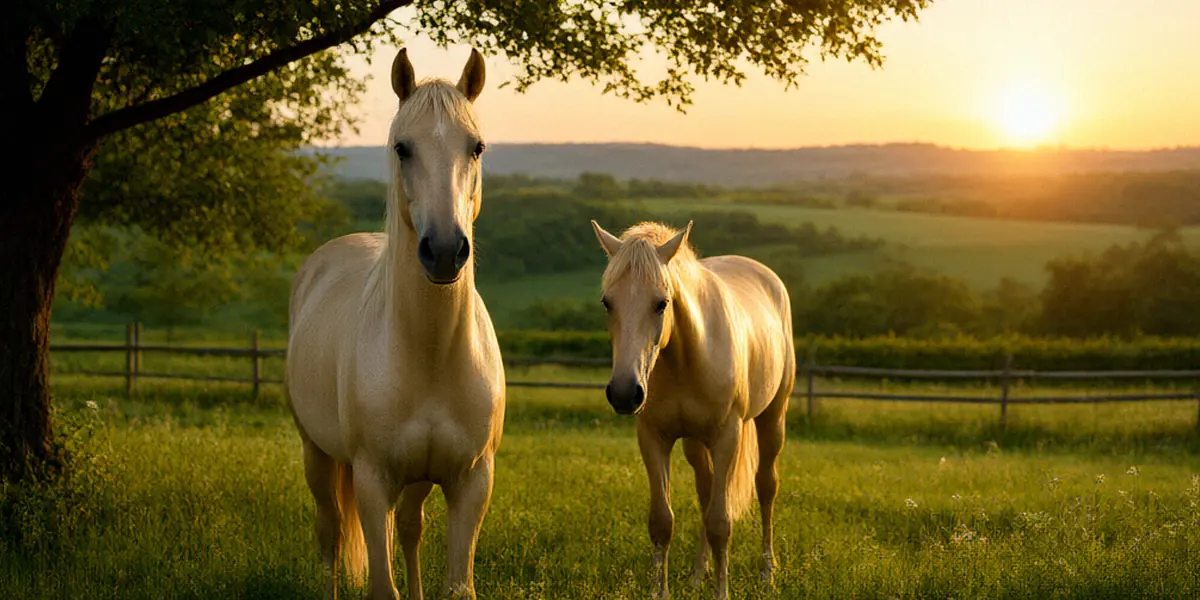
Breeding Akhal-Teke horses in Britain is a niche pursuit, but a rewarding one. The breed is recognised as a rare breed, with a small UK gene pool, so every thoughtful breeding decision carries real weight for its future here. If you are considering it, go in with your eyes open about both the beauty and the bureaucracy.
The Allure of the Golden Horse
The golden horse has a pull that is hard to explain to anyone who has not stood next to one. The metallic sheen in the coat comes from a unique hair structure that refracts light, and it is most striking in shades of buckskin, palomino, cremello and perlino. Beyond looks, the Akhal-Teke is an endurance athlete with a deep heritage: these horses carried travellers across the Karakum Desert long before they appeared in British paddocks. For UK enthusiasts, that combination of presence, intelligence and stamina is the core appeal.
Market Realities for UK Breeders
We are honest with anyone who asks: the UK market for Akhal-Teke foals is small. Buyers are often knowledgeable enthusiasts, endurance riders or people specifically searching for the breed, rather than the general riding market. That means you may hold a foal for longer than you would with a warmblood, and you should budget accordingly. On the plus side, well-handled, correctly registered stock with proven bloodlines does sell, particularly when you build a reputation over several seasons.
Rare Breed Responsibilities
With rarity comes responsibility. The Akhal-Teke Horse Society of Great Britain is the UK breed society for registration and support, and it is the first organisation we recommend joining before you breed a single mare. The society can advise on studbook rules, acceptable outcrosses and the wider conservation picture. Because the UK gene pool is small, we check inbreeding coefficients carefully and avoid repeating popular lines simply because they are fashionable.
Choosing the Right Akhal-Teke Stallion and Mare
Selection is where most breeding plans succeed or fail. We look at four things in order: pedigree, conformation, temperament and health screening. Get those right and the rest of the process becomes far more predictable.
Evaluating Pedigree and Bloodlines
Start with the Akhal-Teke studbook. Study the sire and dam lines behind both horses, and look for performance records as well as type. Linebreeding can concentrate desirable traits, but it also raises the inbreeding coefficient, so we calculate it before committing. Many UK breeders use frozen semen from Turkmenistan, Russia or mainland Europe to access lines that are scarce or absent here, which widens genetic choice considerably.
Conformation and Temperament Priorities
We want a mare with a sound, functional frame: correct limbs, good feet, a deep chest and a well-set neck. Temperament matters just as much. Akhal-Tekes are famously sensitive and intelligent, so a mare who is reactive or anxious can pass that on. Look for curiosity rather than nerves, and remember that a stallion’s temperament is equally heritable.
Health Screening Before Breeding
Before any covering, we arrange a full breeding soundness examination for the mare, including swabs and a uterine assessment. We also review the stallion’s health records and any known hereditary concerns in the line. Screening is not glamorous, but it prevents heartbreak later.
Frozen Semen vs Natural Cover
Both routes have merit, and the right choice depends on your mare, your vet and your budget.
- Natural cover: simpler timing, often higher conception rates per cycle, but limited to stallions you can physically access.
- Frozen semen: opens up Turkmenistan, Russian and European bloodlines, but demands precise timing and an experienced repro vet.
- Chilled semen: a middle ground where available, with a shorter shipping window than frozen.
The Breeding Process: From Cover to Confirmation
Once you have chosen your pair, the calendar takes over. The mare’s cycle, the vet’s diary and the British weather all have a say in how smoothly things go.
Timing and Teasing
We tease mares daily once they come into season and track follicular development with ultrasound. For frozen semen, insemination is timed very close to ovulation, sometimes within hours. Patience here saves money later.
Veterinary Checks and Scans
Early pregnancy scanning around day 14-16 helps detect twins and reduce risk. Twinning in mares is dangerous, and early identification allows the vet to reduce one embryo before it compromises both. We then scan again around day 28 to 30 to confirm a viable pregnancy.
Managing the Pregnant Mare in a UK Climate
Gestation runs roughly 11 months, so a mare covered in spring will foal the following spring. UK weather means we plan for mud, rain and sudden cold snaps: good drainage, shelter and consistent turnout matter. We keep up with farrier visits, adjust feeding gradually in the final trimester, and factor in travel time to our repro vet, which can be significant in rural areas.
Foaling and the First Months of an Akhal-Teke Foal
Foaling is the night we all lose sleep over, and rightly so. Preparation turns a stressful event into a manageable one.
Preparing for Foaling
We prepare a clean, sheltered foaling box, deep-bedded and disinfected, with a camera so we can watch without disturbing the mare. A vet is on standby, and we keep a foaling kit ready: towels, iodine, gloves, a thermometer and a bottle for colostrum if needed.
Neonatal Care and IgG Testing
Colostrum intake in the first hours is critical. We arrange IgG testing at around 12 to 24 hours to confirm the foal has absorbed enough antibodies. If levels are low, the vet can administer plasma. This single test has saved us more worry than any other piece of neonatal care.
Handling and Socialising the Foal
Akhal-Teke foals are sharp, curious and quick to learn. We handle them gently and briefly from the start, teaching haltering and leading without overwhelming them. Turnout with the mare and, where safe, other quiet horses builds social skills that last a lifetime.
Registration, Passports and UK Paperwork
Paperwork is not optional, and it is easiest to handle promptly rather than months later.
Studbook Registration Steps
Registration runs through the Akhal-Teke Horse Society of Great Britain. We submit the covering certificate, foal details and parentage information as soon as possible after birth, keeping copies of everything.
Passports and Microchipping
Horse passports and microchipping are legal requirements in the UK under Defra rules. The foal must be microchipped and passported, and the passport must accompany the horse throughout its life. We also keep breeding records, veterinary notes and DNA results together in one file.
DNA and Parentage Verification
DNA parentage verification is standard for studbook registration. It confirms the sire and dam and protects the integrity of the breed record. We take samples early and store the results digitally.
Costs, Risks and Long-Term Commitment
Breeding is a long game. We tell newcomers plainly that Akhal-Teke breeding is rarely profitable in the short term, and often not in the medium term either.
Typical UK Cost Breakdown
- Stud fee or frozen semen purchase and shipping
- Repro vet fees: scans, swabs, insemination, foaling attendance
- Transport to and from the repro clinic
- Livery, feed and farrier costs through pregnancy and beyond
- Registration, passport, microchipping and DNA testing
- Insurance for mare and foal
Common Risks and How We Mitigate Them
The main risks are failure to conceive, early pregnancy loss, twinning, dystocia and neonatal problems. We mitigate them with careful timing, early scanning, a clean foaling environment and a vet who knows the mare’s history. Insurance and an emergency fund both help.
Building a Reputation Over Time
Reputation in a small breed community is built foal by foal. Joining a UK breed community, attending society events and being transparent about your results all pay off. Buyers remember breeders who communicate honestly.
Start small. Breed one mare, learn the process properly, and lean on mentorship from established UK Akhal-Teke owners who have already made the mistakes. Put the welfare of the mare and foal ahead of any short-term return, and the breed will reward you over the years.
FAQ
Is the Akhal-Teke a rare breed in the UK?
Yes. The Akhal-Teke is recognised as a rare breed, and the UK gene pool is small, which is why careful pedigree planning and inbreeding checks matter so much.
Do I need a horse passport and microchip for my foal?
Yes. Horse passports and microchipping are legal requirements in the UK under Defra rules, and the passport must stay with the horse for life.
Can I use frozen semen from abroad?
Many UK breeders rely on frozen semen imported from Turkmenistan, Russia or mainland Europe. It widens genetic choice, but it requires precise timing and an experienced reproduction vet.
When should the mare be scanned for pregnancy?
Early pregnancy scanning around day 14-16 helps detect twins and reduce risk. We usually scan again around day 28 to 30 to confirm viability.
How long is a mare pregnant?
Roughly 11 months. A mare covered in spring will typically foal the following spring, so plan your grazing, shelter and vet cover well in advance.