Akhal-Teke Associations Around the World: A Global Network for Enthusiasts
When we first began tracing the lineage of our own Akhal-Teke mare, we expected a straightforward paper trail. Instead, we found ourselves exchanging emails with breeders in Ashgabat, comparing studbook notes with a farm in Texas, and eventually standing ringside at a UK show talking pedigrees with owners from Germany and France. That experience taught us something important: owning an Akhal-Teke is rarely a solitary pursuit. Behind every registered horse sits a network of associations, registrars and enthusiasts who keep the breed’s history intact and its future secure. This guide maps out that network for UK owners who want to plug into it properly.
Why Akhal-Teke Associations Matter for UK Owners
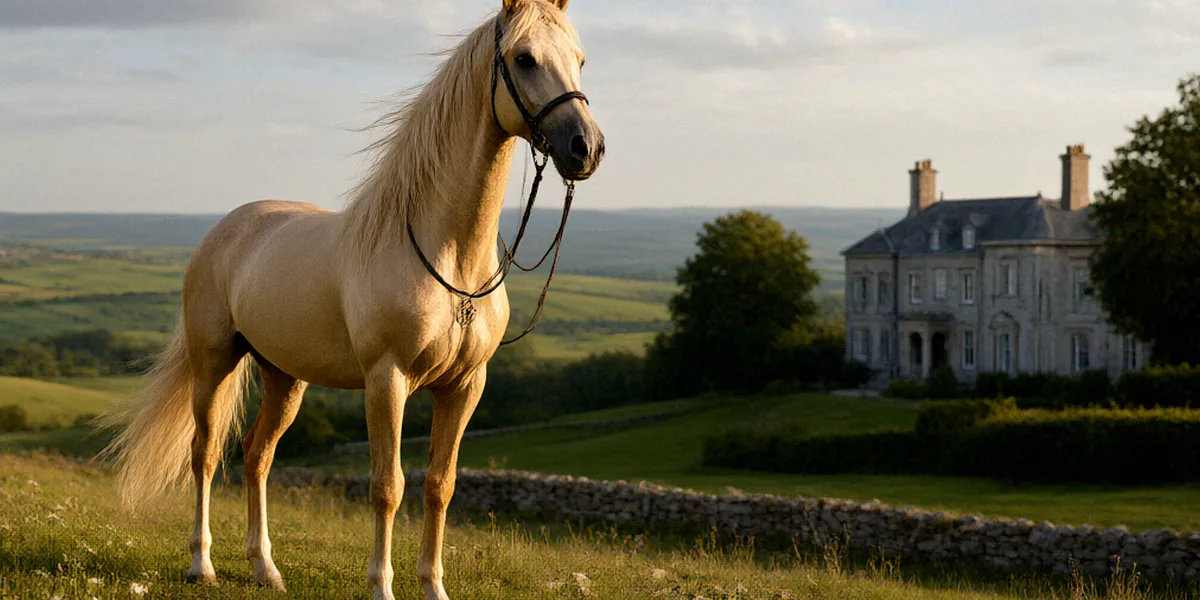
The Akhal-Teke is a numerically small breed, with a global population estimated in the low thousands. That rarity makes organised breed societies essential rather than optional. Associations exist to preserve the breed’s genetic heritage, maintain accurate records, and give owners a framework for breeding decisions that won’t compromise the qualities that make the Akhal-Teke distinctive — the metallic coat, the long back, the legendary endurance.
In the UK, the primary breed society is the Akhal-Teke Association of Great Britain (ATAGB). For anyone keeping an Akhal-Teke stallion, mare or foal here, ATAGB membership is effectively the gateway to everything else: registration, breeding advice, and a community that understands the quirks of the breed.
Registration and Passporting
Every purebred Akhal-Teke in the UK needs valid registration and a passport for competition, travel and sales. The ATAGB helps owners navigate this process, liaising with international studbooks to verify pedigrees and issue documentation that’s recognised abroad. Without this paperwork, even a beautifully bred foal can struggle to be sold or entered into breed classes.
Breeding Guidance and Studbook Access
Breeding Akhal-Tekes responsibly means understanding line breeding, coefficient of inbreeding, and which stallions complement which mares. Associations provide access to studbook data and put breeders in touch with experienced members who’ve already made those decisions. For UK breeders working with a small gene pool, this guidance is invaluable.
Community and Events
Beyond paperwork, associations create the social side of ownership. UK members can attend the annual Akhal-Teke Show held at Arena UK in Lincolnshire, meet other owners, and see the breed in action across in-hand and ridden classes. It’s also where many of us first realise how international this community really is.
Key International Akhal-Teke Associations
The Akhal-Teke world is organised around a handful of major bodies, each with a distinct role. Understanding who does what saves a great deal of confusion when you’re registering a foal or planning to breed.
Turkmenistan: The Cradle of the Breed
The International Association of Akhal-Teke Horse Breeding (IATA) is based in Turkmenistan and maintains the global studbook. This is the authoritative record for the breed worldwide. IATA’s approval underpins pedigree certification, and its studbook is the reference point that national associations — including the ATAGB — work from when verifying bloodlines. Turkmenistan itself treats the Akhal-Teke as a national treasure, and the annual Turkmen horse festival remains a significant date in the breed’s calendar.
North America: The Akhal-Teke Association of America
The Akhal-Teke Association of America (ATAA) serves owners across the United States and Canada. It offers registration services, publishes breed information, and hosts an annual national show that draws competitors from across the continent. For UK owners exporting a horse to North America, ATAA registration is typically part of the process.
Europe: The European Akhal-Teke Association
The European Akhal-Teke Association (EATA) coordinates breed activities across Europe, including the UK. It acts as a bridge between national societies and the international studbook, supporting inspections, shows and breeding exchanges. For UK breeders looking to source semen or stock from continental Europe, EATA is often the most practical point of contact.
How Associations Support Breeding and Preservation
Preservation sounds abstract until you see it in practice. It means DNA testing, inspection panels, and carefully managed breeding programmes that keep the golden horse genetically viable for generations to come.
Studbook Management and DNA Testing
Modern studbooks rely on DNA verification to confirm parentage and prevent errors or fraud. Associations coordinate sample collection, submit results to the relevant studbook, and issue certificates. For a breed with a limited population, accurate records are the difference between informed breeding and guesswork.
Breeding Standards and Inspections
Many associations run inspection schemes where an Akhal-Teke stallion, mare or foal is assessed against breed standards by qualified judges. These inspections grade conformation, movement and type, and the results feed into breeding recommendations. They also give owners an objective benchmark for their stock.
Youth and Foal Programmes
Several associations run youngstock evaluations and foal registration incentives. These programmes encourage breeders to register foals early, document their development, and bring young horses into the show ring. For anyone breeding their first Akhal-Teke foal, these schemes provide structure and feedback.
Connecting with the Global Akhal-Teke Community
Joining an association is the first step. Staying engaged is what turns a membership card into a genuine network.
Membership Benefits and Costs
Typical membership benefits include:
- Registration and passporting support for foals and imported horses
- Access to studbook and pedigree records
- Discounted entry to breed shows and inspections
- Newsletters, breeding bulletins and member directories
- Voting rights and representation at international meetings
Annual fees vary by association but are generally modest, often comparable to a single competition entry. The ATAGB maintains links with IATA and other bodies, which means UK members benefit from international representation without needing separate memberships everywhere.
Online Forums and Social Media Groups
Between shows, much of the community lives online. Breed-specific forums and social media groups are where owners swap feeding advice, share stallion recommendations, and post foal photos. They’re also useful for tracking down transport, farriers and vets who’ve worked with the breed before.
International Shows and Exchanges
UK owners can participate in the annual Akhal-Teke Show held at Arena UK in Lincolnshire, which serves as the main domestic gathering for the breed. Beyond that, European shows and Turkmen festivals offer chances to see the breed in its homeland context. Several associations also facilitate stallion exchanges and semen import schemes, broadening the gene pool available to UK breeders.
The Future of Akhal-Teke Associations
The breed’s small size is both its greatest vulnerability and its strongest motivator for cooperation. The next decade will likely see closer ties between national societies, more shared data, and a broader public image for the Akhal-Teke beyond its historic association with racing and endurance.
Collaborative Breeding Initiatives
Cross-border breeding programmes are already emerging, with associations coordinating matings to reduce inbreeding and preserve rare bloodlines. UK breeders have a role here — our geographic position and existing links with both Europe and North America make us natural participants in these schemes.
Digital Studbooks and Data Sharing
Paper studbooks are gradually giving way to digital databases that allow instant pedigree searches and cross-referencing. This technology makes it easier to verify a horse’s lineage, plan matings, and detect potential genetic bottlenecks before they become problems.
Promoting the Breed in New Disciplines
Historically, the Akhal-Teke has been celebrated for endurance and racing. Today, owners are increasingly seen in dressage, showjumping, eventing and even working equitation. Associations are responding by supporting classes and awards in these disciplines, which helps demonstrate the breed’s versatility to a wider equestrian audience.
FAQ
What is the main Akhal-Teke association in the UK?
The Akhal-Teke Association of Great Britain (ATAGB) is the primary UK breed society. It handles registration support, breeding guidance and UK events, and maintains links with international bodies including IATA.
Do I need to register my Akhal-Teke foal with an international association?
For full pedigree recognition, yes. The global studbook is maintained by the International Association of Akhal-Teke Horse Breeding (IATA) in Turkmenistan. The ATAGB can guide UK breeders through the process so that foals are correctly recorded internationally.
Can UK owners show their Akhal-Tekes competitively?
Absolutely. The annual Akhal-Teke Show at Arena UK in Lincolnshire is the main UK event, with in-hand and ridden classes. European shows coordinated by the European Akhal-Teke Association (EATA) are also open to UK competitors.
How much does association membership cost?
Fees vary, but most memberships are inexpensive relative to competition costs. Benefits typically include studbook access, discounted show entries, newsletters and voting rights. Contact the ATAGB directly for current UK rates.
Why is DNA testing required for Akhal-Tekes?
DNA testing verifies parentage and protects the integrity of the studbook. With a small global population, accurate records are essential for responsible breeding and for maintaining the breed’s distinctive traits, including the famous golden coat.
Associations are more than administrative bodies — they’re the connective tissue that holds a small, scattered breed together. By joining the ATAGB, engaging with IATA, ATAA and EATA, and supporting events like the UK Akhal-Teke Show, UK owners do two things at once: they help secure the long-term future of the Akhal-Teke horse, and they enrich their own experience of owning one. Whether you’re registering your first foal or planning a breeding programme around a promising Akhal-Teke stallion, the global network is there to help — and it’s friendlier than you might expect.