Akhal-Teke Horses in the UK: Owners and Events
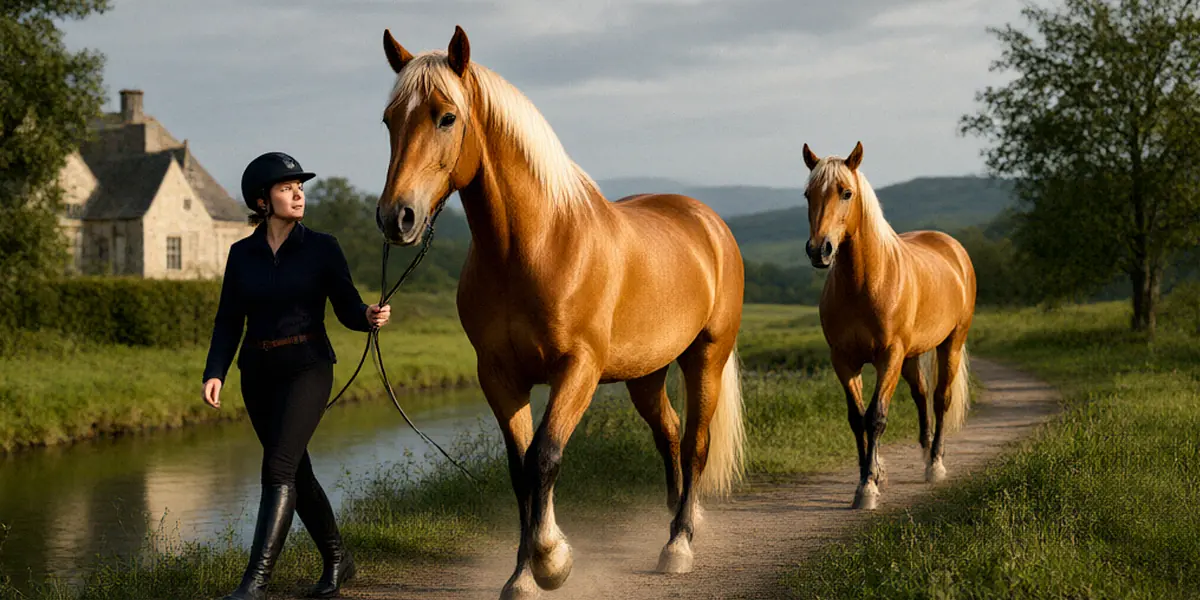
Picture it: a metallic sheen catching the low afternoon sun across a British paddock, the coat shifting from pale gold to burnished bronze as the horse moves. That shimmering quality—the reason the Akhal-Teke is nicknamed the “golden horse”—looks almost unreal against a backdrop of English hedgerows. But where can UK enthusiasts actually see these horses, meet the people who keep them, and get involved? That’s what we set out to answer.
The Growing Akhal-Teke Community in the UK
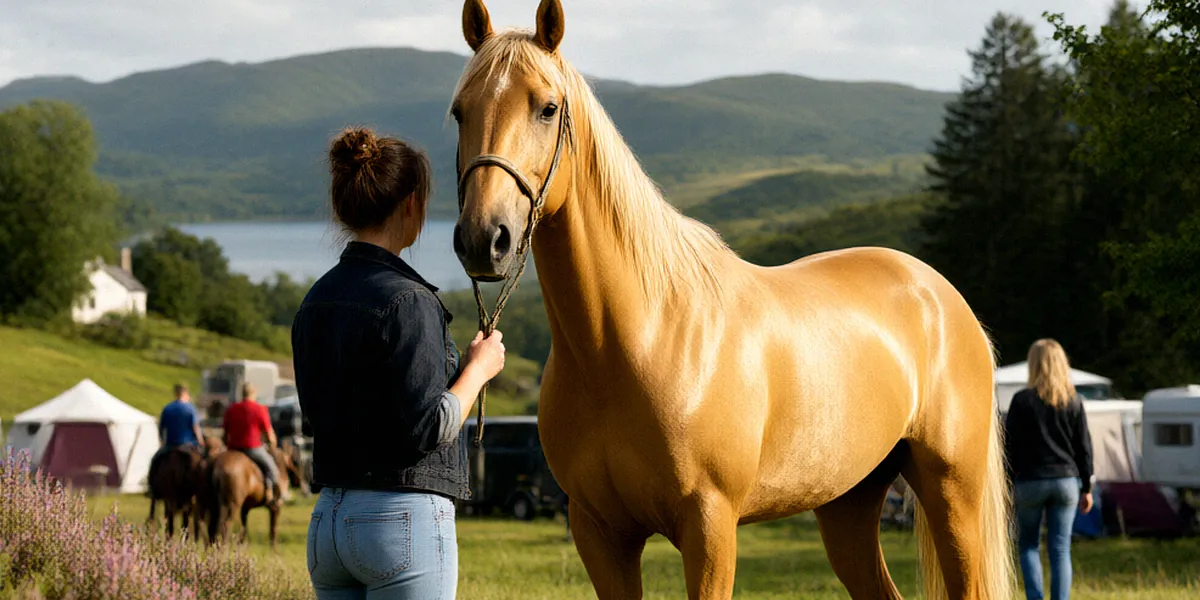
The Akhal-Teke remains one of the rarest breeds in Britain, with a UK population numbering in the low hundreds rather than thousands. Even so, the community around it has quietly strengthened over four decades, moving from a handful of isolated imports to a small but organised network of breeders, owners, and riders.
Early UK Imports and Pioneers
The breed’s modern British story began in the late twentieth century, when enthusiasts imported horses directly from Turkmenistan and Russia. These pioneers faced scepticism—the Akhal-Teke was virtually unknown here, and its lean, fine-boned build was unlike the native breeds most UK horsemen knew. Early importers persevered because they recognised the breed’s endurance, intelligence, and unmistakable metallic coat. Many of today’s UK bloodlines trace back to those first shipments.
Key Breeders and Studs Today
Gadebrook Stud in Leicestershire stands out as one of the longest-established Akhal-Teke breeding operations in Britain, playing a central role in promoting the breed. Alongside Gadebrook, smaller studs and private breeders operate across England, Scotland, and Wales. Most are small-scale by design, focusing on quality over quantity.
How to Connect with UK Owners
The Akhal-Teke Society of Great Britain is the natural starting point for contacting owners and breeders. The society maintains a members’ network, shares news of foals and stallions at stud, and acts as a hub for breed enquiries. Social media groups and equestrian forums also connect UK owners, and breeders are generally welcoming to genuine enquiries.
Akhal-Teke Breeding in the UK: Challenges and Rewards
Breeding any rare horse in Britain takes commitment. Breeding an Akhal-Teke takes particular dedication, because the practical hurdles are real and the rewards are measured in decades.
Climate and Management Considerations
Akhal-Tekes originate from the arid plains of Central Asia, so British weather is a genuine adjustment. The breed’s fine coat offers limited protection against driving rain and cold winds. Most UK owners provide rugs, field shelters, and stabling during the worst months. Hoof care matters too, since wet ground can soften hooves that evolved on hard, dry terrain.
Finding the Right Stallion
With such a small UK population, the gene pool is limited, and responsible breeders think carefully about line pairing. Importing fresh bloodlines—often from Turkmenistan, Russia, or mainland Europe—is sometimes necessary to maintain genetic diversity. Before booking a covering, review pedigree, health screening, and temperament records, and speak directly with the stallion’s owner.
Registering a Foal in the UK
Registration typically involves the Akhal-Teke Society of Great Britain, which advises on documentation, parentage verification, and passporting. Breeders should budget time for paperwork well before the foal arrives. A registered foal carries greater credibility for future breeding and sale, so it’s worth doing properly from the outset.
UK Events and Shows for Akhal-Teke Enthusiasts
If you want to see the golden horse in the ring, Britain offers more opportunities than you might expect—though you’ll need to plan ahead.
Major National Shows
The Royal Windsor Horse Show is among the highest-profile UK fixtures where Akhal-Tekes have appeared, giving the breed valuable public exposure. The National Arabian Horse Show has also welcomed Akhal-Teke entries, reflecting the breed’s historical links to Arabian lines. These events are excellent places to watch the breed move and chat with owners between classes.
Breed-Specific Meets and Open Days
The Akhal-Teke Society of Great Britain’s annual show is the focal point of the UK calendar, bringing together owners, breeders, and judges. The Golden Horse Awards celebrate standout individuals. Several studs, including Gadebrook Stud, have opened their gates for open days, giving visitors a chance to meet horses at home.
Online and Regional Meetups
Online communities fill the gap for those who can’t travel to national shows. Breed-focused forums and social groups share photographs, pedigree information, and event notices year-round. Regional meetups—informal hacks, clinics, or yard visits—have sprung up as the UK population has grown.
Owning an Akhal-Teke in the UK: What to Expect
Living with an Akhal-Teke is a different experience from keeping a native pony or a warmblood. Here’s what UK owners have learned.
Daily Care and Management
These horses are intelligent, sensitive, and form strong bonds with their handlers. They do best with routine, consistent handling, and plenty of turnout. Practical points:
- Provide shelter and rugs during wet, windy weather.
- Feed little and often with good-quality forage; many are efficient doers and gain weight easily.
- Keep hooves picked out and checked regularly, especially in wetter months.
- Allow daily turnout and companionship—the breed is sociable and can become stressed in isolation.
Costs and Insurance
Budgets vary, but UK owners typically face livery, forage, farriery, dentistry, vaccinations, and rug replacement as recurring costs. Insurance is worth arranging early; providers such as Petplan Equine offer equine policies covering veterinary fees. Given the breed’s rarity, some owners also investigate mortality cover reflecting the difficulty of replacing an Akhal-Teke in the UK.
Training and Riding
Training rewards patience. The breed learns quickly but dislikes heavy-handed methods, and harsh schooling can damage trust. Groundwork, gentle hacking, and varied work keep these horses engaged. Many owners find them exceptionally willing once a bond is established, and their natural stamina suits longer rides.
The Golden Horse in British Culture and Sport
The Akhal-Teke’s golden coat is more than a talking point—it’s a calling card slowly earning the breed recognition in British equestrian circles.
Endurance Riding and Competitive Trail
Endurance is where the Akhal-Teke’s heritage shines. Bred for long desert journeys, the breed copes well with distance work, and Endurance GB provides a structured route into competitive riding. Distances range from introductory rides to serious long-format competitions, and the breed’s efficient movement and recovering pulse rates suit the discipline well.
Showing and In-Hand Classes
In the show ring, the metallic coat and distinctive build draw attention in both ridden and in-hand classes. Judges increasingly recognise the breed’s type, and success at events like the Royal Windsor Horse Show has helped raise its profile among spectators.
Promoting the Breed
Breeders and owners continue to promote the Akhal-Teke through demonstrations, parades, and media coverage. Every public appearance introduces the golden horse to a new audience—visibility that is essential for a breed still relying on word of mouth.
How to Get Involved with Akhal-Teke Horses in the UK
Whether you’re considering ownership or simply want to be near these remarkable horses, there are practical ways to start.
Joining Breed Societies and Forums
Membership of the Akhal-Teke Society of Great Britain gives you access to breed information, stud listings, and a community of like-minded people. Online forums and social media groups complement this, offering day-to-day conversation and advice.
Visiting Studs and Meeting Owners
Contacting a stud such as Gadebrook Stud in Leicestershire, or a smaller breeder nearer to you, is often the most rewarding first step. Most are happy to talk about the breed and may invite you to visit by arrangement. Seeing the horses in their home environment tells you far more than any photograph.
Volunteering and Sponsoring Events
Events rely on volunteers, and helping at a breed show or open day is an excellent way to learn. Sponsorship—whether of a class, an award, or a young horse’s campaign—is another way to support the breed’s growth in Britain while building relationships with breeders and owners.
Frequently Asked Questions
How many Akhal-Teke horses are there in the UK?
The UK population is small—generally estimated in the low hundreds—making the breed one of the rarest in Britain. Numbers fluctuate as foals are registered and horses are imported or exported.
Can I see Akhal-Teke horses at UK shows?
Yes. The breed has appeared at the Royal Windsor Horse Show and the National Arabian Horse Show, and the Akhal-Teke Society of Great Britain’s annual show is the best place to see a concentration of UK-owned horses.
Is the Akhal-Teke suitable for endurance riding in Britain?
Absolutely. The breed was developed for long-distance travel, and Endurance GB offers a clear pathway from introductory rides to competitive distances.
How do I register an Akhal-Teke foal born in the UK?
Contact the Akhal-Teke Society of Great Britain for guidance on registration, parentage verification, and passporting. Start the paperwork well before the foal arrives to avoid delays.
What should I budget for keeping an Akhal-Teke in the UK?
Costs depend on livery arrangements and location, but expect ongoing outlays for forage, farriery, veterinary care, and insurance. Providers such as Petplan Equine can quote for equine cover, and it’s wise to compare policies before choosing.
The Akhal-Teke remains a rare sight in Britain, but the community around it is active, welcoming, and growing. Whether you join the Akhal-Teke Society of Great Britain, visit a stud like Gadebrook in Leicestershire, or simply turn up at a show to watch the golden horse move, taking that first step is easier than you might think—and the people already involved are usually glad to help.