
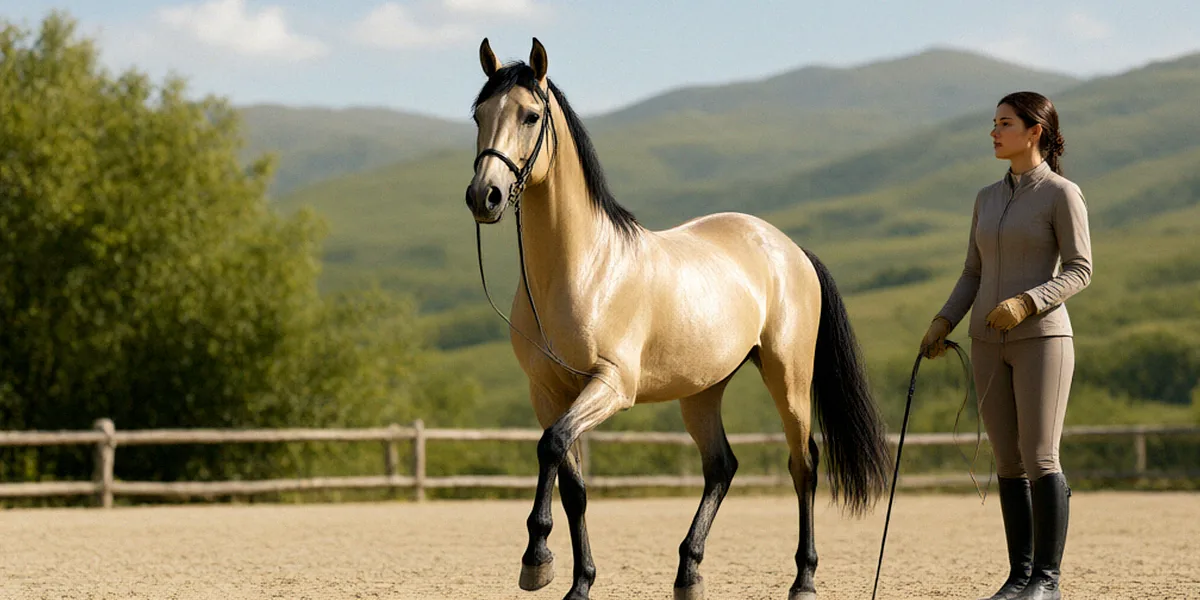
Akhal-Teke Temperament and Training: What UK Owners Need to Know
The first time we handled an Akhal-Teke, we expected a delicate, ornamental horse. What we got was a three-year-old stallion who watched every move we made, remembered which pocket the treats were in, and refused to walk past a flapping tarpaulin until we had explained, in terms he accepted, why it was harmless. Our yard had handled plenty of UK native ponies and warmbloods before, but nothing quite like this. That afternoon taught us the central truth about this breed: the Akhal-Teke horse is not difficult, but it is different, and understanding that difference is the key to everything.
Understanding the Akhal-Teke Temperament
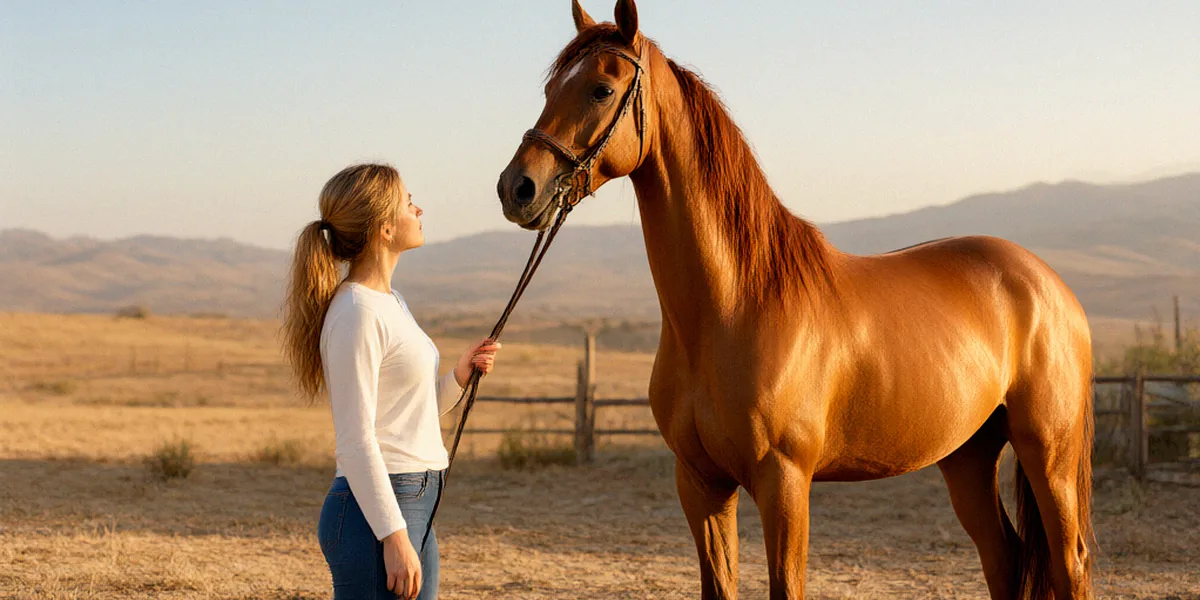
The Akhal-Teke was bred for centuries in the Turkmen desert as a riding horse for one family, often kept close to the household and treated almost as a member of it. That history left a lasting mark. The breed is famously intelligent, highly sensitive and deeply loyal to a single person, which is why they are so often described as ‘one-person’ horses. For UK owners raised on native ponies or warmbloods, this can come as a genuine surprise.
Intelligence and Sensitivity
An Akhal-Teke learns fast, sometimes too fast. Where a warmblood might tolerate a clumsy aid and wait for clearer instructions, an Akhal-Teke notices the smallest shift of weight or tension in your hand and reacts immediately. This makes them brilliant partners for a thoughtful rider and frustrating ones for a rider who is used to pushing through resistance. They also read their handler’s mood with unnerving accuracy, so a stressful day at work can show up in the school.
The One-Person Bond
Most Akhal-Tekes choose one person and give that person everything. They will follow them around the yard, greet them at the gate and try their heart out for them. With everyone else, they may be polite but reserved, or openly suspicious. This bond is one of the breed’s greatest gifts, but it means a shared horse can be a challenge. If you are a livery owner, or you rely on a rider to keep your horse fit, plan for a settling-in period with that person.
Common Misconceptions About ‘Difficult’ Behaviour
Akhal-Tekes are frequently labelled sharp, hot or even dangerous, and much of that reputation comes from misreading normal breed behaviour. Common misunderstandings include:
- Spooking is not stupidity. It is a highly alert survival instinct from desert ancestry, not a lack of schooling.
- Pulling back from pressure is not stubbornness. Many Akhal-Tekes resist being forced and simply need a different approach.
- Attachment to one person is not aggression towards everyone else. It is a strong herd bond that can be gently widened.
- High energy is not a vice. It is stamina and willingness that, channelled properly, becomes performance.
Training Principles for the Akhal-Teke Horse
Traditional UK training methods built on pressure, repetition and ‘making’ the horse do something often fail with this breed. An Akhal-Teke will not be worn down into submission; push harder and you get resistance, tension or a horse that shuts down mentally while still going through the motions. The Akhal-Teke Society of Great Britain is a useful starting point for UK owners looking for breed-aware advice, and its members are generous with practical experience.
Why Force-Free Training Works Best
Positive reinforcement, particularly clicker training, suits the Akhal-Teke’s mind perfectly. They are problem-solvers, and once they understand that a behaviour earns a reward, they offer it enthusiastically and remember it. We have found that five short, focused sessions of reward-based work achieve more than an hour of traditional schooling. The horse stays relaxed, curious and willing, which is exactly the state you want for everything that follows.
Groundwork and In-Hand Exercises
Groundwork is where trust is built. We spend weeks on yielding the hindquarters, moving the shoulders, backing up softly and standing quietly, all without a saddle. Long-reining is especially valuable: it teaches the horse to accept direction from behind and to travel forward in a rhythm, and it exposes gaps in communication before you ever get on board. For a sensitive Akhal-Teke, this stage is not optional preparation; it is the foundation of the whole relationship.
Introducing the Saddle and Rider
When the saddle comes out, do it slowly and reward every calm acceptance. Light girth pressure, leaning over, and a quiet first sit-on should all be separate, low-stress steps. Because Akhal-Tekes are light-framed and often have fine skin, check saddle fit carefully and use a well-fitted numnah; discomfort is a common cause of ‘explosive’ first rides. Our rule is simple: if the horse is tense before you mount, stop and go back a step.
Riding and Performance: What to Expect
Once you are riding, the Akhal-Teke’s natural athleticism becomes obvious. The gaits are smooth and ground-covering, the balance is naturally uphill, and the stamina is extraordinary. This is a horse built for distance and heat, and it adapts well to British conditions.
Endurance and Competitive Trail Riding
Endurance is where the breed shines. Akhal-Tekes regularly excel at UK endurance rides, including the well-known Euston Park endurance rides in Suffolk, where their efficient metabolism and recovery rates give them a real advantage over heavier types. If you enjoy long-distance riding, this is the discipline where your horse will feel most at home.
Dressage and Schooling
The breed’s natural balance and sensitivity make it well suited to dressage, particularly at the lower and medium levels where suppleness and obedience matter more than raw power. Their responsiveness means half-halts work almost instantly, though you must keep sessions varied and interesting or their clever minds will find the work dull.
Jumping and Eventing Potential
Akhal-Tekes jump cleanly and boldly, with good scope for their size, and their endurance gives them an edge in the cross-country phase. They are not the easiest eventers for a nervous rider, because they think for themselves, but a confident partnership can be very competitive at amateur and grassroots level.
Breeding Akhal-Teke Foals: Temperament Considerations
Temperament is strongly heritable in this breed, and UK breeders should treat it as seriously as conformation or movement. A foal from a nervous, reactive stallion is far more likely to be a nervous, reactive adult, no matter how good the handler.
Choosing the Right Akhal-Teke Stallion
When selecting an Akhal-Teke stallion, look beyond the show record. Ask breeders about the stallion’s day-to-day behaviour, how he handles new environments and how he treats unfamiliar handlers. Check the Akhal-Teke studbook for pedigree and progeny records, and where possible meet offspring from previous seasons. A calm, trainable stallion with a willing attitude is worth more to most UK breeders than a flashy one with a difficult temperament.
Handling and Socialising the Akhal-Teke Foal
Akhal-Teke foals are curious and quick to learn, so early handling should be gentle, frequent and reward-based. Introduce them to rugs, trailers, clippers and different surfaces in short, positive sessions. Turnout with other youngstock is equally important, because it teaches social skills that no amount of human handling can replace.
Weaning and Early Training
Wean gradually and keep the foal’s routine as stable as possible; abrupt changes hit this sensitive breed hard. From weaning onwards, continue ground manners, leading, tying and hoof handling, always ending on a good note. By the time an Akhal-Teke foal is a yearling, it should already understand that humans are fair, predictable and worth trusting.
Common Training Challenges and Solutions
Even with the best start, most Akhal-Teke owners will meet spooking, bolting or separation anxiety at some point. These are not signs of a bad horse; they are signs of a sensitive one that needs a clear plan.
Managing Spookiness and Anxiety
Desensitisation works best in small doses. Introduce the frightening object at a distance, reward relaxation, and only then move closer. Never punish a spook, because punishment confirms that the scary thing really was dangerous. Consistent daily routine also helps enormously, as does plenty of turnout and forage.
Building Confidence in New Environments
UK-specific challenges make this harder than it sounds. Busy roads, low-flying aircraft, tractors, dogs and our famously changeable weather all test a sensitive horse. Take your Akhal-Teke out in company first, choose quiet times of day, and build up gradually. Loading and travelling should be practised regularly, not just on competition day.
When to Seek Professional Help
If your horse is bolting, rearing or becoming dangerous, bring in an experienced trainer who understands sensitive, intelligent breeds. Your vet should also be involved, because pain, ulcers and ill-fitting tack are common hidden causes of sudden behaviour changes.
Akhal-Teke Training in the UK: Case Studies and Tips
Some of the most useful lessons come from other British owners who have already walked this path.
Success Stories from British Owners
A Surrey-based owner we know bought a nervous four-year-old gelding and, after eighteen months of patient groundwork and clicker training, took him to affiliated dressage, where he now scores consistently in the high sixties. In Scotland, an owner near Perth transformed a food-obsessed, bargy mare into a willing hack and pleasure-driving pony using purely reward-based methods. Neither horse was ‘fixed’; both were understood.
Local Trainers and Clinics
Ask the Akhal-Teke Society of Great Britain for trainer recommendations in your area, and look out for breed-specific clinics and demos at shows. A trainer who has never met an Akhal-Teke may misread normal behaviour, so a recommendation from another owner is invaluable.
Online Communities and Forums
UK Akhal-Teke groups on social media and breed forums are lively, supportive places to ask questions, find studs, share transport and hear about upcoming events. For a breed this rare, community is not a luxury; it is how you learn.
Patience, respect and positive reinforcement are what unlock the Akhal-Teke’s willing nature. Treat the breed as the intelligent, sensitive partner it is, and you will find one of the most rewarding horses you will ever own, whether you are riding at Euston Park, breeding from a carefully chosen stallion or simply enjoying a quiet hack in the British countryside.
FAQ
Are Akhal-Tekes suitable for novice riders in the UK?
Generally, no. Their sensitivity and intelligence mean they need a calm, confident and tactful rider. A novice is better off gaining experience on a steadier breed first, then progressing to an Akhal-Teke with professional support.
How much turnout does an Akhal-Teke need?
As much as possible. This is an active, intelligent breed that becomes stressed and spooky when stabled for long periods. Daily turnout, ideally with compatible company, keeps both body and mind sound.
Is clicker training really effective with Akhal-Tekes?
Yes, exceptionally so. Their problem-solving nature means they take to positive reinforcement quickly and retain what they learn. Keep sessions short and reward timing precise.
Where can I find Akhal-Teke horses for sale in the UK?
The Akhal-Teke Society of Great Britain is the best starting point, along with UK breed groups and reputable studs listed in the Akhal-Teke studbook. Always visit the horse and ask about temperament and handling history.
Do Akhal-Tekes cope well with the British climate?
They adapt well, but their fine coat and low body fat mean they feel the cold and wet more than native ponies. Good rugs, shelter and adequate forage are essential through the winter months.