
Colours and Coat Genetics of the Akhal-Teke
The first time we saw an Akhal-Teke gleam like poured gold in a British field, we understood the nickname immediately. It was a still, grey afternoon in Oxfordshire, and the horse looked lit from within, each strand of mane catching light the way a polished wedding ring does. That moment sent us down a rabbit hole of colour genetics, passport registrations, and late-night forum threads that we are still happily lost in. This guide is what we wish we had read back then: a practical, genetics-backed walkthrough of every colour we see in the breed, written for UK owners and breeders who want to understand what sits behind that shine.
Why Akhal-Teke Colour Matters to UK Owners
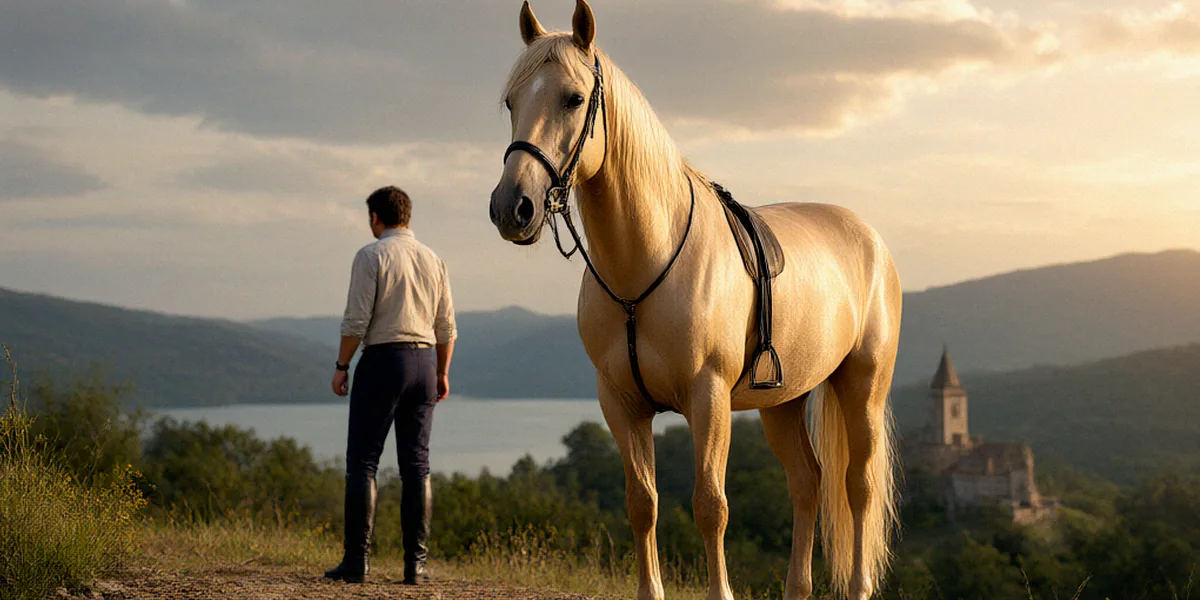
In most breeds, colour is a preference. In the Akhal-Teke, it is closer to a signature. The breed is often called the golden horse, and that reputation follows it into every sale, show, and studbook entry. For UK buyers, colour affects three very practical things: how the horse is identified on its passport, how it is judged at breed shows, and how much you can reasonably expect to predict when you plan a mating. Understanding the genetics before you buy or breed saves disappointment later.
The Metallic Sheen and Breed Identity
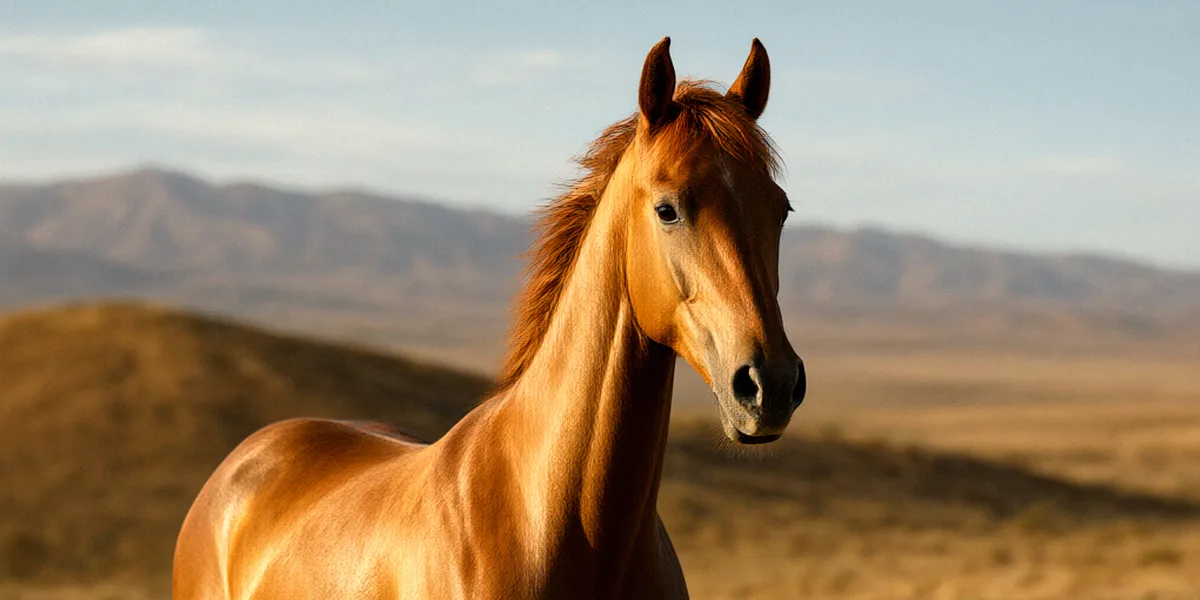
The metallic sheen is linked to the dun gene and the structure of the hair itself. The shaft is finer and more translucent than in many other breeds, so light passes into the coat and reflects back rather than simply bouncing off the surface. This is why a golden Akhal-Teke can look dull in a stable and electric in a field. It is also why photographs rarely do the breed justice, and why so many UK owners describe their first viewing as a surprise. The sheen is not a trick of feeding or grooming alone, though both help. It is bred in, and it is one of the reasons the breed has been treasured for centuries since its origins in Turkmenistan.
Colour Registration and UK Passport Realities
If you are buying or breeding in the UK, colour is not just a talking point. It is a data field. UK owners can register foals with the Akhal-Teke Association of Great Britain, and the colour you declare should match what a vet or identifier sees on the day. We have seen straightforward bays registered as dun because the owner hoped for gold, and we have seen genuine golden duns registered as buckskin because the terminology confused everyone involved. Get it right at registration, and future buyers, insurers, and show secretaries will thank you. If you are unsure, photograph the horse in natural light from several angles before the passport appointment.
The Genetics Behind the Golden Horse
Colour genetics sounds daunting until you realise that most of what we see in the breed comes down to a handful of genes interacting. Once you know the base, the dilutions, and the modifiers, you can look at a foal and make a sensible guess about what it will become. Here are the ones that matter most in the Akhal-Teke.
Extension and Agouti: The Base of Every Coat
Extension (E/e) decides whether a horse can produce black pigment at all. An E horse can, an e horse cannot and will be chestnut. Agouti (A) then decides where that black pigment goes. A bay has black points and a red body. A black horse has no restriction, so the black spreads across the whole coat. Every Akhal-Teke colour you will ever see is built on this pair of genes, and testing for both is cheap and quick. A chestnut horse can still carry agouti, and a black horse can still carry red, which is why two black parents can occasionally produce a chestnut foal.
Dun and the Golden Dilution
Dun (D) is the gene most responsible for the golden horse look. It lightens the body colour while leaving the mane, tail, and legs darker, and it often adds primitive markings such as a dorsal stripe, leg barring, and shoulder shading. A bay plus dun gives you the classic golden dun. A chestnut plus dun gives you a red dun, which in British light can look almost copper. The metallic quality that the breed is famous for is most pronounced in dun horses, though it appears in other colours too. Not every golden horse is dun, and not every dun is golden, which is exactly why testing beats guessing.
Cream, Pearl, and Champagne: Rare Dilutes in the Breed
Cream, pearl, and champagne appear in the breed but are far less common than dun. Cream lightens red pigment to palomino tones and black pigment to smoky or cremello shades, depending on how many copies are present. Pearl is recessive and only shows when paired with another pearl or with cream, producing soft, almost apricot coats. Champagne lightens and adds a distinctive amber or greenish eye, plus pinkish skin. These dilutes are worth understanding because they can hide for generations. A perfectly ordinary-looking bay mare can be carrying pearl, and the only way to know is to test.
The Core Akhal-Teke Colours We See in the UK
British light is soft, often grey, and rarely harsh, which changes how colours read compared to photographs taken in Turkmenistan or the Middle East. Here is how the main colours present on UK soil.
Bay, Black, and Chestnut
Bay is the most common base colour in the breed and the easiest to work with. In UK light, a good bay Akhal-Teke looks rich and warm rather than flat, especially when the coat is clean. Black horses can look spectacular in summer and slightly rusty in winter, which is normal and not a sign of poor health. Chestnut is less common than bay but produces some of the most dramatic metallic sheen when the horse is fit and well. All three are straightforward to register and easy to match with a suitable mate.
Grey and the Silver Factor
Grey in the Akhal-Teke is the same greying gene found in many breeds. A grey foal is often born dark and lightens over years, sometimes ending almost white. The metallic sheen tends to fade as the coat lightens, which is why some breeders avoid grey when colour is a priority. The silver factor, sometimes called silver dapple, is different. It lightens black pigment in the mane and tail and can produce striking chocolate and flaxen combinations. Silver is not the same as grey, and confusing the two at registration is a common mistake.
Golden Dun and Buckskin
Golden dun is the colour most people picture when they hear the phrase golden horse. It is a bay or black base with dun, producing a body that ranges from pale champagne to deep bronze, with darker points and primitive markings. Buckskin is a cream dilution on a bay base, giving a similar golden body but without the dorsal stripe and leg barring of a true dun. The two are often confused, and in poor light they can look nearly identical. If you are buying a golden dun, ask to see the dorsal stripe in summer coat, and check the registration paperwork against the genetic test.
Breeding for Colour: What We Tell UK Breeders
Colour is a wonderful motivator, but it is a poor primary goal. We have watched breeders chase gold and end up with a beautiful foal that has poor hocks or a difficult temperament. Our advice is always the same: choose for soundness and temperament first, then use colour genetics to tilt the odds in your favour.
Choosing a Stallion for Colour
A golden Akhal-Teke stallion is a powerful draw, and there is nothing wrong with that. What matters is what he passes on. Ask for genetic test results, not just photographs. A stallion who is homozygous for dun will pass the gene to every foal, which is a genuine advantage if gold is your aim. A stallion who is heterozygous gives you roughly a fifty-fifty chance per foal. Check his conformation, his movement, and his temperament in the field, not just under saddle. A stallion who throws good shoulders and calm minds is worth more to your programme than one who throws colour alone.
Genetic Testing Before You Breed
Colour genetic testing for Extension, Agouti, Cream, Pearl, and Dun is available through UK laboratories such as Animal Genetics UK. The tests are inexpensive, the turnaround is quick, and the results are definitive. We recommend testing both mare and stallion before you plan a mating, especially if either has an unknown parentage or a colour that could hide a recessive. Testing also protects you at registration, because you can prove what your foal carries rather than relying on visual assessment.
What to Expect in an Akhal-Teke Foal
Foal coats change dramatically in the first year. A foal born looking pale gold may shed out to a deeper bronze, and a foal born dark may lighten considerably. Primitive markings often become clearer after the first moult. If you are breeding for a specific colour, expect surprises. The genetics tell you the probabilities, not the certainties. What you can rely on is that a well-bred foal from tested, sound parents will be a pleasure to own regardless of whether it turns out bay, black, or gleaming gold.
Coat Care for Colour in the British Climate
British weather and limited sunlight can dull coat shine, so UK owners often use high-oil feeds and UV-protective rugs to keep that metallic gleam. Mud, rain, and long winters all take their toll, but a sensible routine keeps the coat in show condition without turning your yard into a laboratory.
Grooming for Sheen
Over-washing strips natural oils and leaves the coat flat. We prefer a good curry comb, a soft brush, and a clean stable rubber for daily work, with a proper bath only when needed. A light application of coat oil or a silicone-free shine spray on the mane and tail adds polish without attracting dust. For shows, a final wipe with a damp cloth brings out the metallic quality better than any product.
Nutrition and Coat Health
Coat condition starts in the gut. A balanced diet with adequate copper, zinc, and omega-3 fatty acids supports strong, shiny hair. High-oil feeds such as linseed meal or a quality balancer make a visible difference within a few weeks. Fresh water and free-choice forage matter just as much. If your horse’s coat looks dull despite good feeding, check for parasites and consider a vet review before adding more supplements.
Rugging and Seasonal Changes
UV-protective rugs are popular in the UK for good reason. They reduce sun bleaching, which is the main cause of faded coats in summer, and they keep the worst of the mud off in winter. A lightweight turnout with a smooth lining works well for most horses. Avoid over-rugging in mild weather, as overheating damages the coat and the horse’s comfort. In spring and autumn, expect a heavy moult and groom daily to help the new coat come through cleanly.
- Test for Extension, Agouti, Cream, Pearl, and Dun before planning a mating.
- Check the dorsal stripe in summer coat before calling a horse golden dun.
- Use high-oil feeds and UV rugs to protect shine through the British seasons.
- Register foals with the Akhal-Teke Association of Great Britain and match colour to the passport.
- Watch for the colour class at the National Akhal-Teke Show, which reflects how much UK breeders care about this trait.
Colour is the Akhal-Teke’s calling card, but it is never its whole story. The breed’s endurance, intelligence, and bond with its handler matter far more in the long run, and a plain bay with a good mind will outlast a golden horse with poor conformation every time. We would love to see your photographs and hear your breeding results, so please share them with our community and help UK enthusiasts understand this remarkable breed one coat at a time.
FAQ
Is the Akhal-Teke always golden?
No. The breed comes in bay, black, chestnut, grey, and various dilutions including dun, cream, pearl, and champagne. Golden dun is the most famous, but plenty of Akhal-Tekes are dark bay or black.
Can I register an Akhal-Teke foal in the UK?
Yes. UK owners can register foals with the Akhal-Teke Association of Great Britain. You will need the usual breeding paperwork plus accurate colour details, which is much easier if you have genetic test results to hand.
Where can I get colour testing done in the UK?
Colour genetic testing for Extension, Agouti, Cream, Pearl, and Dun is available through UK laboratories such as Animal Genetics UK. Most tests use a simple hair sample with roots, and results usually come back within a couple of weeks.
Why does my Akhal-Teke look dull in winter?
British weather and limited sunlight can dull coat shine, so UK owners often use high-oil feeds and UV-protective rugs. Mud, rain, and a thick winter coat all reduce the metallic effect, and it usually returns in spring with good grooming and nutrition.
Does the National Akhal-Teke Show have a colour class?
Yes. The National Akhal-Teke Show in the UK often includes a colour class, reflecting breeder and owner interest. It is a good place to see the range of colours in the breed and to compare notes with other UK owners.