
Feeding and Care for Akhal-Teke Horses: A UK Owner’s Guide
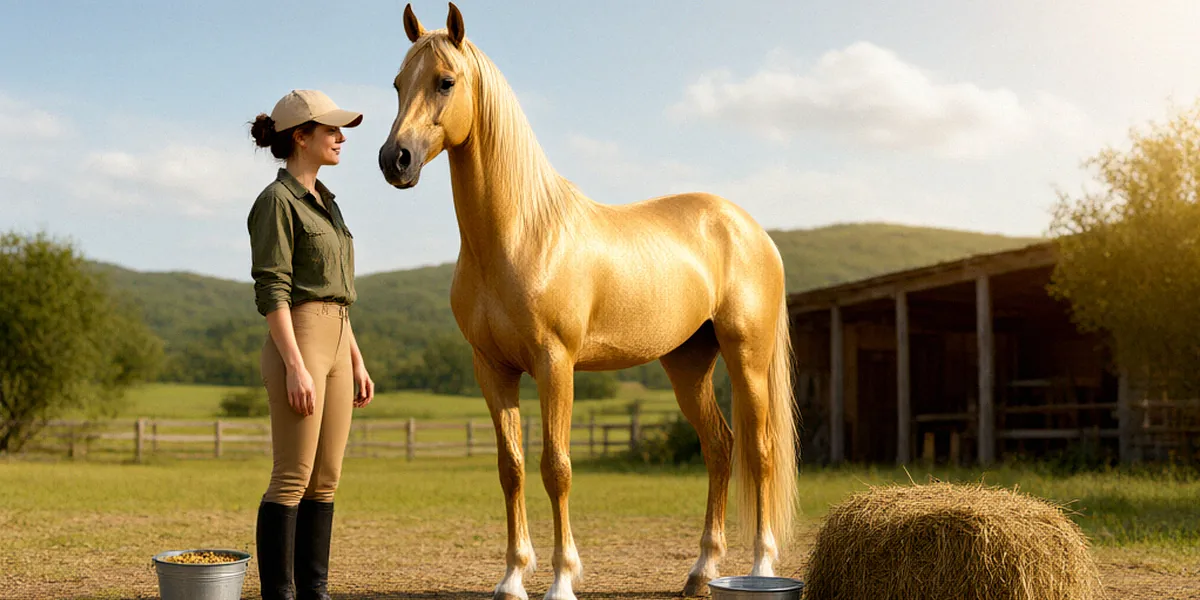
When we welcomed our first Akhal-Teke to a livery yard in Gloucestershire, we quickly learned that this was not a horse that would simply slot into the usual routine. He turned his nose up at the molassed chaff the other horses hoovered up, dropped weight during a wet, windy March, and developed a scurfy patch behind his shoulder where his rug rubbed. It took a conversation with a UK equine nutritionist and a complete rethink of his bucket feed before he bloomed into the gleaming golden horse we had imagined. That experience is why we put this guide together: Akhal-Tekes are hardy, intelligent and astonishingly athletic, but their desert heritage means they respond to feeding and care in ways that differ from the native breeds many of us grew up with.
Understanding the Akhal-Teke’s Unique Nutritional Needs
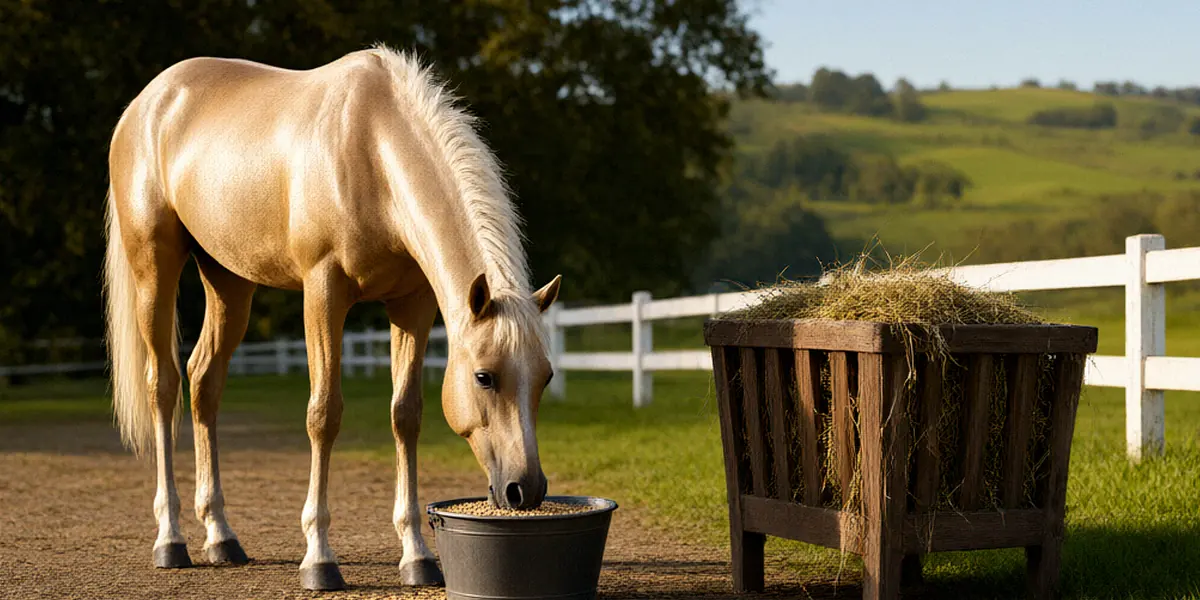
The Akhal-Teke was shaped by the harsh conditions of the Karakum Desert in Turkmenistan, where horses travelled long distances with little forage and survived on concentrated sources of energy. That history has left the breed with an efficient metabolism, a lean, fine-boned frame and a tendency to do far too well on rich grazing. In the UK, where our pasture is often lush and sugar-rich, this can be a recipe for trouble.
As a general rule, we feed our Akhal-Tekes on a high-fat, low-starch, high-fibre diet. Fat provides slow-release energy without the fizzy behaviour that starch and sugar can trigger in this sensitive breed, and it helps maintain condition on horses that are naturally light-framed. Before making significant changes, though, it is worth booking a consultation with a UK equine nutritionist who can balance your horse’s ration against forage analysis and workload.
The Desert Heritage: Why Akhal-Tekes Thrive on Fat, Not Sugar
Starch and sugar are digested in the small intestine and converted quickly to glucose, which is why a cereal-heavy diet can send some Akhal-Tekes over the top. Fat, by contrast, is digested slowly and provides sustained energy, making it ideal for endurance work and for keeping weight on a naturally lean horse. We routinely feed oil — linseed, rapeseed or a proprietary oil supplement — alongside ad lib forage, and we avoid molassed mixes and high-cereal cubes wherever possible. This approach also supports digestive health, which matters enormously for a breed prone to gastric ulcers.
Key Nutrients for the Golden Horse: Protein, Vitamins, and Minerals
That metallic sheen is more than good looks; it reflects a coat in genuine good health. Quality protein supports muscle, hoof and coat condition, and we look for feeds with good levels of lysine and methionine rather than simply chasing a high crude protein percentage. Vitamin E and selenium are particularly useful for UK horses on limited grazing, while biotin, zinc and copper support hoof and skin integrity. A broad-spectrum vitamin and mineral balancer is often the simplest way to fill the gaps in a forage-based diet.
Building a Balanced Diet for Your Akhal-Teke
We build every ration from the forage upwards. Get the forage right and the bucket feed becomes a top-up rather than the main event. This is where UK-specific advice really pays off, because our hay, haylage and grass vary enormously from county to county and season to season.
Forage First: Hay, Haylage, and Grass Management in the UK
Ad lib forage should form the foundation of your Akhal-Teke’s diet. We weigh hay rather than eyeballing it, aiming for roughly 1.5 to 2 per cent of bodyweight in dry matter per day, and we soak or steam hay for horses that are sensitive to dust or prone to weight gain. Haylage can suit Akhal-Tekes in hard work, but it is often richer, so introduce it gradually. Restricting grazing during the spring flush — using strip grazing or a grazing muzzle — helps prevent the sugar overload that British pasture can deliver.
Choosing the Right Concentrates and Supplements
When we do feed a bucket, we favour low-starch, high-fibre and oil-based options. Two brands we have used with good results are:
- Dodson & Horrell — their fibre-based and balancer ranges work well for Akhal-Tekes in light to moderate work, and their nutritional helpline is genuinely helpful.
- Baileys Horse Feeds — the Baileys No. range and their outshine-style high-oil feeds are popular with owners of lean, sensitive horses.
Beyond the bucket, we add a good balancer, linseed for coat shine and omega-3s, and electrolytes during hard work or hot spells. If your horse is a poor doer, oil is your friend: start with 50ml per day and build slowly to 200ml or more, splitting it across feeds.
Feeding the Akhal-Teke Foal and Youngster
An Akhal-Teke foal grows rapidly and needs careful management to avoid developmental problems. We keep youngstock on good forage with a stud balancer rather than a high-cereal creep feed, and we monitor growth rates rather than pushing for size. Bone, joint and hoof supplements formulated for youngstock are worthwhile, and we always check that the mare’s milk supply and the foal’s body condition score are on track with our vet.
Daily Care Routines for Akhal-Teke Horses
Daily care for an Akhal-Teke is less about heavy management and more about consistency and observation. These are intelligent, people-oriented horses that notice changes in routine, and their thin skin and fine coats mean we handle them a little differently from a cob or a warmblood.
Grooming the Golden Coat: Tips for Sensitive Skin
We use soft body brushes and never curry comb hard enough to break the skin. Akhal-Tekes often have sparse manes and tails, so we detangle with a wide-tooth comb and a silicone-based detangler rather than pulling. A hot cloth or a light oil-based polish brings up the metallic gleam before a show, but we avoid heavy coat sprays that can irritate sensitive skin.
Hoof Care and Farrier Visits: Keeping Those Desert Hooves Strong
Akhal-Tekes typically have strong, upright, hard hooves — a legacy of desert terrain — but UK mud and wet ground are a different challenge. We book our farrier every five to six weeks without fail, and we pick out feet daily, treating any signs of thrush promptly. A good UK farrier will understand the breed’s naturally upright foot balance and trim accordingly.
Exercise and Turnout: Balancing Energy and Calm
These horses are bred for endurance, and a bored Akhal-Teke is a creative Akhal-Teke. We aim for daily turnout with company wherever possible, plus regular ridden or in-hand work. Mixing hacking, schooling and long slow distance work keeps them physically and mentally settled.
Health and Wellness: Common Issues and Preventative Care
Akhal-Tekes are generally healthy and long-lived, but there are a few conditions we watch for closely. Regular veterinary check-ups, a good relationship with your UK equine vet and sensible insurance cover give you the best chance of catching problems early.
Digestive Health: Preventing Ulcers and Colic
Gastric ulcers are a real concern in this breed, particularly in horses on high-starch diets or with irregular routines. We feed little and often, provide ad lib forage, and keep stress to a minimum. Any change in appetite, condition or behaviour warrants a vet call.
Skin and Allergy Management in the UK Climate
Sweet itch, mud fever and seasonal allergies all affect Akhal-Tekes in Britain. We use fly rugs, barrier creams and, where needed, veterinary allergy testing to identify triggers.
Vaccinations, Worming, and Dental Care
We follow our vet’s vaccination schedule, use targeted worming based on faecal egg counts, and have teeth checked at least annually — more often for youngsters and veterans.
Seasonal Care Considerations for UK Owners
British weather keeps us on our toes, and the Akhal-Teke’s fine coat means we adapt rugs and shelter through the year.
Winter Woes: Mud Fever, Rugging, and Warmth
We keep legs clean and dry, use turnout boots where mud is deep, and rug according to condition rather than habit. A lightweight turnout rug suits most Akhal-Tekes until the temperature drops sharply.
Summer Strategies: Fly Control, Shade, and Hydration
Shade, clean water and fly protection are non-negotiable. We rinse horses after work on hot days and offer electrolytes when they sweat heavily.
FAQ
What should I feed my Akhal-Teke in the UK?
Start with ad lib forage, add a low-starch balancer and use oil for condition and energy. Brands such as Dodson & Horrell and Baileys Horse Feeds offer suitable fibre-based options, and a UK equine nutritionist can tailor the ration to your horse.
Are Akhal-Tekes prone to ulcers?
They can be, particularly on high-cereal diets or irregular routines. Feeding little and often, providing constant forage and minimising stress all help reduce the risk.
How do I care for an Akhal-Teke foal?
Keep the Akhal-Teke foal on good forage with a stud balancer, monitor growth carefully and avoid pushing for rapid size. Regular vet and farrier checks are essential in the first year.
Do Akhal-Tekes need rugs in winter?
Many cope well unrugged thanks to their efficient metabolism, but their fine coats mean a lightweight turnout rug is often sensible during wet, windy British weather.
Consistent, attentive care tailored to the Akhal-Teke’s desert heritage — plenty of fibre, fat instead of sugar, gentle grooming, regular farrier and vet visits, and sensible seasonal management — will keep your golden horse thriving in the UK and deepen the bond you share with this remarkable breed.