
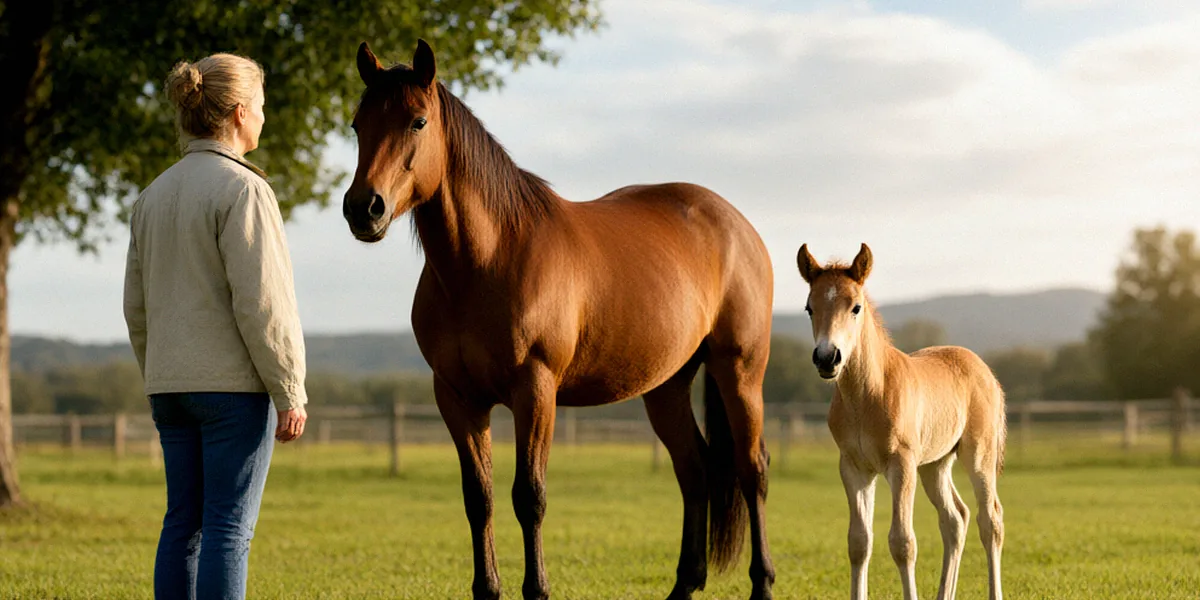
How to Choose a Healthy Akhal-Teke Foal
Bringing home an Akhal-Teke foal is one of the most exciting moments in any horse owner’s life — and one of the most serious responsibilities. This ancient, rare breed is prized for its shimmering golden coat, its intelligence and its deep loyalty to the people who handle it. But with only a small number of Akhal-Teke foals born in the UK each year, every purchase decision carries real weight. We have put together this guide to help UK buyers assess a foal’s health, conformation, bloodlines and temperament with confidence, so that the partnership you start today has the best possible foundation.
Why Akhal-Teke Foals Need Extra Care When Choosing
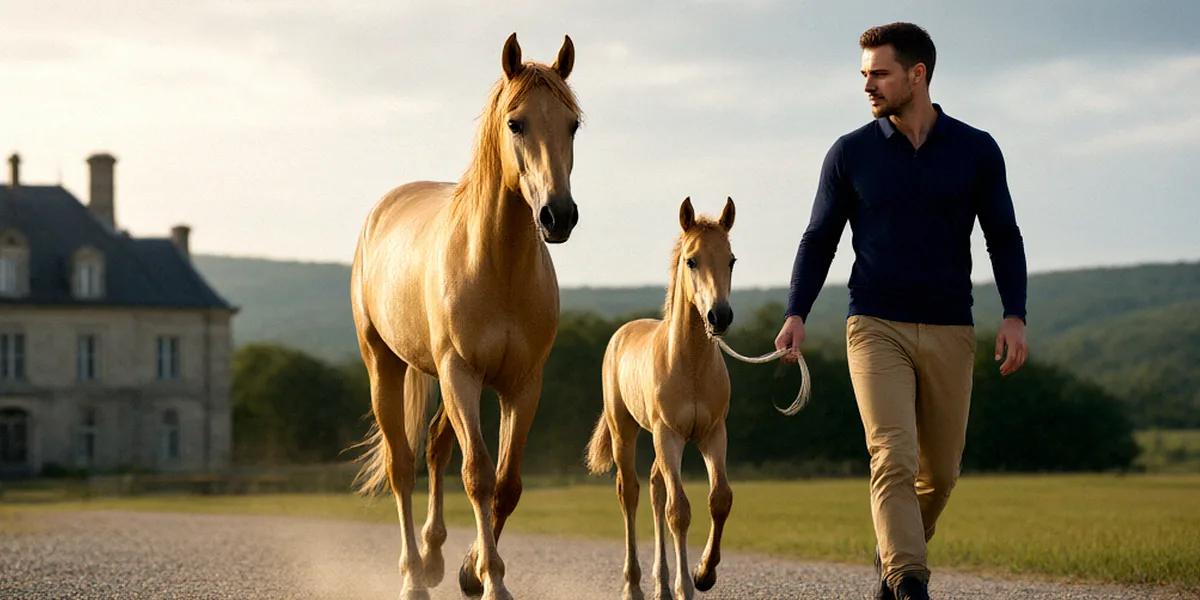
Akhal-Teke foals are not simply smaller versions of a warmblood or a thoroughbred, and the standard checks you might apply to other breeds do not go far enough. This breed matures slowly, is famously sensitive, and its population in the UK is small enough that every breeding decision matters. We always advise buyers to take extra time, ask more questions and involve the Akhal-Teke Horse Society of Great Britain early in the process, as the Society can confirm registrations, pedigree details and breeder standing.
The Breed’s Unique Physiology and Temperament
The Akhal-Teke is one of the oldest horse breeds in the world, developed in the Turkmen desert and built for endurance rather than bulk. Its physiology reflects that heritage: a lean, fine-boned frame, thin skin, sparse mane and tail, and a high-set neck. The famous golden horse coat characteristic — a metallic sheen caused by the structure of the hair shaft — is a hallmark of the breed, but it should never be used as a substitute for soundness. Temperamentally, Akhal-Tekes are intelligent, alert and highly sensitive to their handler. They bond deeply with one person and can become anxious in inconsistent hands. A foal that has been handled calmly and consistently will show it; one that has been left in a field with minimal contact may need months of patient work. Because Akhal-Tekes mature later than many sport horse breeds, a foal’s frame may still be developing well into its fourth or fifth year, so judging a youngster against adult expectations is a mistake.
Common Health Issues in Akhal-Teke Foals
No breed is free of health concerns, and the Akhal-Teke’s small gene pool means buyers should be diligent. Issues we look out for include:
- Developmental orthopaedic disease, including osteochondrosis, particularly in fast-growing foals on rich UK pasture
- Weak or misaligned limbs, which can worsen as the foal grows if not corrected early
- Poor hoof quality, which is common in the breed and needs careful management on wet British ground
- Cryptorchidism in colts, which should be confirmed by a vet before purchase
- Skin sensitivity and reactions to midges and flies, which are prevalent in the UK
None of these should automatically rule out a foal, but they should be identified, discussed openly and priced into your decision.
Assessing Conformation and Movement in a Foal
Akhal-Teke foals often look lanky and leggy, and that is normal for the breed. What matters is balance, symmetry and freedom of movement. The breed standard prizes a long, dry head, a long high-set neck, a deep chest, a long back and a well-muscled croup, and even in a foal you can see the beginnings of these qualities. The golden horse ideal should be judged alongside correct structure — a beautiful coat on a poorly conformed foal is not a bargain.
Evaluating Legs and Hooves
Ask to see the foal stood square on a hard, level surface. From the front, the front legs should drop straight from the shoulder to the hoof, with no inward or outward deviation at the knee. From the side, look for a straight column with no excessive slope to the pastern. Check the hooves carefully: they should be well-shaped, free of cracks, and roughly matched in size. Pick up each foot and look at the sole. Any foal that is reluctant to bear weight, or that shows swelling or heat in a joint, needs a vet’s opinion before you go further.
Observing Movement and Balance
Ask the breeder to trot the foal up in hand on a firm surface. Watch for free, swinging strides, a relaxed back and a willingness to go forward. A healthy Akhal-Teke foal should move lightly and straight, without dishing, plaiting or brushing. Because the breed is naturally proud and high-stepping, some lift is expected, but it should never come at the expense of soundness. Turn the foal in a small circle and watch how it balances — this reveals a great deal about limb strength and coordination.
Health Checks and Veterinary Screening
A pre-purchase veterinary examination in the UK is essential, and we would not advise buying any foal without one. Ask the breeder to make the foal available for a vet of your choosing, and attend the examination yourself so you can see everything first-hand.
Pre-Purchase Examination Essentials
The vet should carry out a full clinical examination, including:
- Heart and lungs, listening for murmurs or abnormal breathing
- Eyes, checking for congenital defects and signs of infection
- General condition, including weight, coat and parasite burden
- Lameness assessment at walk and trot, plus flexion tests where appropriate
- Joint x-rays of the limbs, particularly if you intend to compete or breed
For a foal, the vet will also want to discuss growth, feeding and future management. A five-stage vetting is the standard in the UK, but for foals we often recommend a bespoke examination that includes x-rays of the hocks and knees.
Genetic Testing and Vaccination Records
Ask the breeder for the foal’s vaccination history and any genetic testing results. Akhal-Tekes can be tested for hereditary conditions, and reputable breeders will be happy to share results. In the UK, every foal must be microchipped and issued with an equine passport, and the breeder should be able to show you both. The passport confirms the foal’s identity and pedigree, and the microchip number should match the passport. Never buy a foal without these documents, and check that the passport has been issued by a recognised Passport Issuing Organisation.
Evaluating Bloodlines and Breeder Reputation
Bloodlines matter enormously in a rare breed. The Akhal-Teke has a small, carefully documented population, and the choice of sire and dam will shape your foal’s temperament, conformation and future potential. We encourage buyers to research pedigrees thoroughly and to visit the breeder in person before making any commitment.
Understanding Pedigree and Performance Lines
Ask to see the foal’s full pedigree, going back at least three generations. The Akhal-Teke Horse Society of Great Britain can help verify registrations and lineage. Look at the performance records of the Akhal-Teke stallion and dam where available, and consider what the lines are known for — endurance, dressage, show jumping or simply soundness and temperament. Some lines are particularly prized for the golden horse coat, but we would always put structure and soundness first.
Questions to Ask the Breeder
When you visit a breeder, ask direct questions and expect direct answers:
- How long have you been breeding Akhal-Tekes, and are you a member of the Akhal-Teke Horse Society of Great Britain?
- What is the foal’s pedigree, and what are the sire and dam known for?
- Has the foal been vet-checked, and can we see the records?
- How has the foal been handled, and what early training has it received?
- What is the foal’s temperament like, and how does it behave with people and other horses?
- Are the passport and microchip in order, and can we see the paperwork?
A good breeder will welcome these questions and will be honest about any weaknesses as well as strengths.
Temperament and Socialisation
Akhal-Tekes are intelligent and bond deeply, and a foal’s early experiences shape its behaviour for life. Spend time observing the foal in its field before you approach it, and ask the breeder how it has been handled since birth.
Reading Foal Behaviour
Watch how the foal interacts with its dam, with other horses and with people. A healthy, well-socialised foal should be curious, alert and reasonably confident, though some shyness is normal in this sensitive breed. Avoid foals that are excessively nervous, aggressive or dull, and be wary of a foal that has been over-handled and become pushy. Ask to see the foal led, groomed and have its feet picked up — these simple tasks reveal a great deal about its training and temperament.
The Importance of Early Handling
Early handling and training are vital for Akhal-Tekes. A foal that has been calmly introduced to a headcollar, leading, grooming and foot handling will be far easier to start under saddle later. We recommend asking the breeder what handling the foal has had, and continuing that work gently and consistently once you bring it home. Patience at this stage pays dividends for years.
Practical Considerations for UK Buyers
Before you commit, think through the practicalities of owning an Akhal-Teke foal in the UK. Transport, insurance and livery all need to be arranged in advance, and the British Equestrian Federation is a useful source of guidance on equine welfare and regulations.
Transport and Insurance
Arrange transport with a reputable horse transporter experienced in moving youngstock. Foals travel best in a well-ventilated box with a companion where possible, and the journey should be kept as short and stress-free as you can manage. Insure the foal before it travels, and check that the policy covers youngstock and any pre-existing conditions disclosed at the vetting.
Livery and Turnout
Young Akhal-Tekes need turnout, companionship and a safe, well-fenced field. Choose livery that understands youngstock and can provide consistent daily handling. Avoid isolating a foal, and make sure your yard has experience of the breed’s sensitivity. UK equine passport regulations require that the passport travels with the horse, and you should keep it safe and up to date.
FAQ
What should I look for in a healthy Akhal-Teke foal?
Look for a bright, alert foal with straight, symmetrical limbs, well-shaped hooves, a relaxed way of moving and a calm, curious temperament. Always confirm the foal has passed a pre-purchase veterinary examination and has a valid passport and microchip.
How much does an Akhal-Teke foal cost in the UK?
Prices vary widely depending on bloodlines, conformation and the breeder’s reputation. Because the breed is rare in the UK, expect to pay a premium for well-bred foals, and always factor in the cost of vetting, transport and insurance.
Are Akhal-Teke foals difficult to handle?
They are sensitive and intelligent rather than difficult. With calm, consistent early handling they become deeply loyal and willing partners. Avoid over-handling, which can make them pushy, and give them time to adjust to new surroundings.
What health problems are common in Akhal-Teke foals?
Developmental orthopaedic disease, poor hoof quality and skin sensitivity are the main concerns. Genetic testing and a thorough pre-purchase examination, including joint x-rays, help identify issues early.
Do I need a passport and microchip for an Akhal-Teke foal in the UK?
Yes. UK equine passport and microchipping regulations require every foal to be microchipped and issued with a passport. The breeder should provide both, and the microchip number must match the passport before you complete the purchase.
Choosing a healthy Akhal-Teke foal takes patience, research and a willingness to ask hard questions, but the reward is a sound, well-adjusted horse and a partnership that can last a lifetime. We hope this guide helps you make that decision with confidence, and we are always happy to point UK buyers towards reputable breeders and the Akhal-Teke Horse Society of Great Britain.