
Why Akhal-Teke Horses Have a Metallic Coat
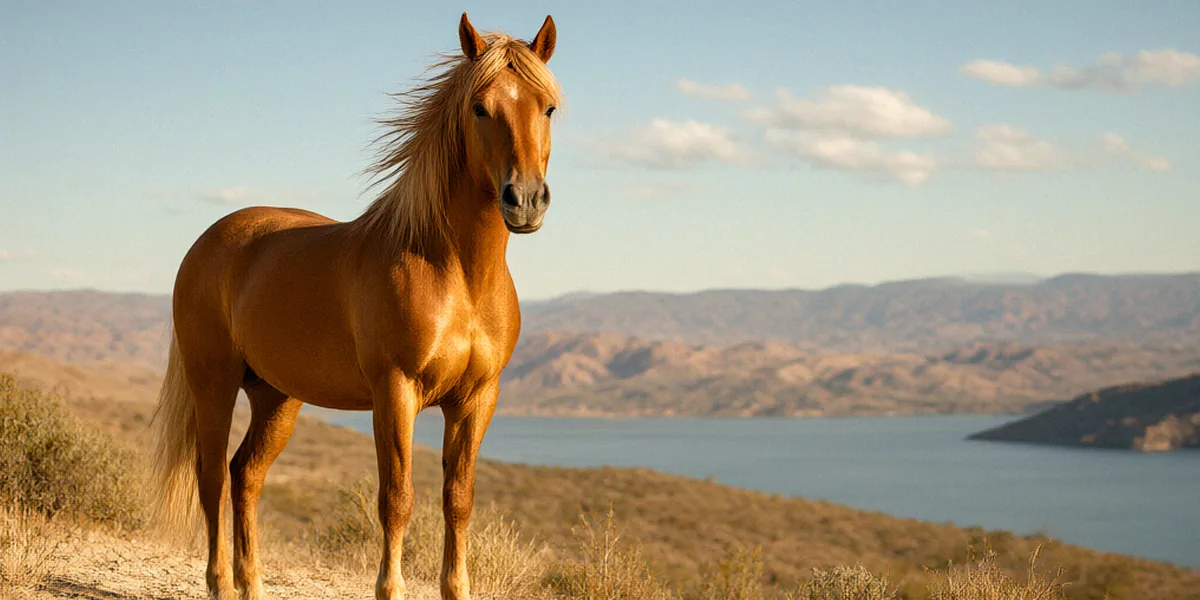
Picture an Akhal-Teke standing in the low evening sun of a British summer, its coat burning like polished gold, each strand catching the light as though lit from within. It is the image that stops people mid-conversation at shows and sends photographers scrambling for their cameras. But is that metallic sheen real, or simply an optical illusion? We hear this question constantly from new owners and curious visitors, and the answer is genuinely fascinating: the shine is real, but it is not what most people assume. It is not glitter, not dye, and not a trick of the light. It is a structural quirk of the hair itself, refined over thousands of years in one of the world’s oldest horse breeds.
The Science Behind the Shine: What Causes the Metallic Coat?
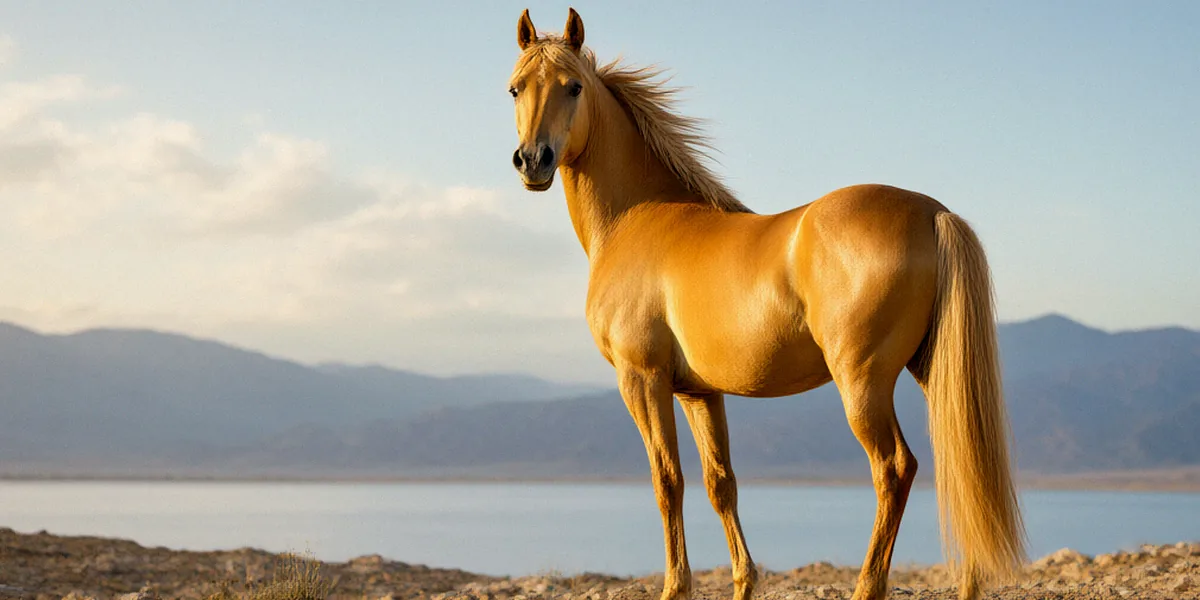
The metallic effect is caused by light refraction through translucent hair shafts, not by pigment. That single sentence is the key to understanding everything about the Akhal-Teke’s famous glow. Unlike a palomino or a chestnut, whose colour comes from pigment deposited in the hair, the Akhal-Teke’s shine comes from the physical structure of each individual hair. Light enters the hair shaft, bends as it passes through the translucent core, and reflects back out in a way that creates that unmistakable burnished-metal appearance.
The Role of the Dun and Cream Dilution Genes
Dilution genes set the stage. Cream and dun dilutions lighten the base coat colour and, crucially, reduce the density of pigment granules inside the hair. When there is less pigment packed into the shaft, more light can pass through it rather than being absorbed. This is why the most dramatic metallic coats tend to appear on buckskins, palominos, cremellos, and perlino Akhal-Tekes rather than on solid bays or blacks. The dilution does not create the shine on its own, but it removes the obstacle that would otherwise block it.
How Hair Structure Creates the Metallic Effect
The real magic happens at a microscopic level. Each Akhal-Teke hair has a translucent medulla, the central core of the shaft, which acts a little like a fibre-optic tube. Light travels down the medulla, scatters, and emerges with a bright, almost luminous quality. The hair cuticle is also unusually smooth and lies flatter than in most breeds, so the surface reflects light evenly instead of scattering it in dull directions. Combine a smooth outer surface with a light-carrying inner core, and you get a coat that looks lit from within.
Why Some Akhal-Tekes Shine More Than Others
Not every Akhal-Teke glows equally, and that is normal. Several factors influence intensity:
- Base colour and which dilution genes are present
- Individual hair structure, which varies between bloodlines
- Age, with young stock often duller than mature horses
- Nutrition, particularly copper, zinc, and omega fatty acids
- Season, with summer coats shining far more than winter wool
We have seen full siblings differ noticeably in shine, which tells us the trait is influenced by many small genetic factors rather than one simple switch.
The Golden Horse Gene: Myths and Realities
The phrase “golden horse gene” gets thrown around a lot, and it is misleading. There is no single gene that produces the metallic coat. It is a polygenic trait, meaning many genes each contribute a small amount, working together with hair structure and environment. The Akhal-Teke’s ancient lineage, shaped by centuries of selection in the Turkmen desert, concentrated these traits in a way few other breeds can match.
What DNA Studies Tell Us
Genetic research has identified the dilution genes involved, including cream and dun variants, but no test yet exists that predicts metallic shine with certainty. DNA panels can tell you a horse’s base colour and dilution status, which gives useful clues, but the shimmer itself depends on structural qualities that current tests cannot measure. Breeders still rely heavily on observing the horse in front of them.
The Difference Between Metallic and Non-Metallic Akhal-Tekes
Put two Akhal-Tekes side by side in the same light and the difference is obvious. A metallic horse appears to change colour as it moves, shifting from gold to bronze to pale champagne depending on the angle. A non-metallic Akhal-Teke, often a solid bay, black, or grey, still has the breed’s characteristic dry, fine coat and elegant build, but the surface reflects light in a flatter, more ordinary way. Both are correct Akhal-Tekes; the metallic coat is a variation, not a requirement.
How UK Breeders Are Preserving the Shine
Here in the UK, breeders are increasingly deliberate about selecting for metallic lines. The British Akhal-Teke Society is the primary breed association in the UK, and its studbook records and pedigree tools help breeders trace which lines consistently produce the shine. By pairing metallic mares with stallions known for strong refraction, UK breeders are steadily strengthening the trait without narrowing the gene pool too far.
From Foal to Stallion: How the Metallic Coat Develops
One of the most common surprises for new owners is how much the coat changes with age. Foals often lose their metallic sheen before it returns in the adult coat, which can be alarming if you are not expecting it.
The Foal Coat: What to Expect in the First Year
A newborn Akhal-Teke foal usually arrives with a soft, fluffy coat that looks matte rather than metallic. Some foals show a hint of shimmer, but most appear surprisingly plain. This is entirely normal. The foal coat is structurally different from the adult coat, with finer, less developed hair shafts that cannot refract light in the same way.
When the Metallic Sheen Appears
The first significant change comes with the first shedding, typically between six and twelve months. As the foal fluff falls out and the first proper coat grows in, owners often notice a sudden gleam. The shine usually intensifies again after the yearling shed and continues developing until the horse reaches maturity at around three to four years. Stallions may exhibit more intense shine than mares or geldings, likely due to hormonal influences on coat condition and sebum production.
Seasonal and Management Effects on Coat Brilliance
Even a mature, highly metallic Akhal-Teke will look duller in winter. The winter coat is longer, thicker, and less translucent, so the refraction effect is muted. Come spring, the summer coat returns and the glow comes back with it. Management plays a role too: horses kept rugged in winter and fed a balanced diet tend to transition faster and shine brighter through the show season.
Breeding for the Metallic Coat: What UK Owners Should Know
If you are planning a breeding programme with metallic coats in mind, the approach is part science, part patience. UK-based Akhal-Teke studs such as Akhal-Teke Stud UK specialise in metallic-coated lines, and their breeding records are a valuable resource when you are choosing a match.
Choosing a Stallion with a Proven Metallic Coat
Look beyond photographs. A stallion can look spectacular in a single well-lit image and disappoint in the field. We recommend viewing potential sires in person, in flat daylight, and asking to see their progeny. A stallion that consistently throws metallic foals from a range of mares is worth far more to a breeding programme than one with a single lucky foal. Pedigree analysis helps, but production records tell the real story.
Nutrition and Grooming for Maximum Shine
Coat condition responds well to good nutrition. Key considerations include:
- Balanced copper and zinc levels to support pigment and hair quality
- Omega-3 and omega-6 fatty acids for a supple, glossy coat
- Quality protein with adequate lysine and methionine
- Regular grooming to stimulate natural oils and remove dust
- Protection from excessive sun and mud, which dull the surface
We also advise against over-rugging in mild weather, as trapped heat and sweat can damage coat condition.
Registering and Showing Metallic Akhal-Tekes in the UK
Registration with the British Akhal-Teke Society keeps your horse’s pedigree and breeding history on record, which matters enormously when you later sell or breed. For showing, metallic Akhal-Tekes appear in breed classes across the country, and the coat is one of the breed’s most admired features in the ring.
The Metallic Coat in the Show Ring and Beyond
In the UK show circuit, the metallic coat draws crowds. The Royal Windsor Horse Show features Akhal-Teke classes, and the breed’s appearance there has introduced thousands of spectators to the shimmer for the first time. The Akhal-Teke classes at the British National Championships are another key fixture for owners wanting to showcase their horses.
Judging Standards for Metallic Coats
Judges assess the coat as part of overall breed type rather than as a standalone feature. A metallic sheen is admired, but it cannot compensate for poor conformation or incorrect movement. The ideal is a horse that combines correct Akhal-Teke type with a coat that genuinely glows in natural light.
Photographing the Metallic Sheen
Capturing the shine on camera is notoriously difficult. The best results come from shooting in the golden hour, shortly after sunrise or before sunset, with the light source behind or to the side of the horse. Flash tends to flatten the effect, and harsh midday sun blows out the highlights. We always recommend taking a short video as well, because the metallic coat is most striking in motion.
Why the Metallic Coat Matters for the Breed’s Future
The shine is more than a pretty feature. It is a visible link to the breed’s desert origins, where a reflective coat may have helped regulate heat and camouflage horses against sand and sunlight. Preserving it through thoughtful breeding keeps the Akhal-Teke distinct in a crowded equine world.
FAQ
Is the metallic coat unique to the Akhal-Teke?
No, but the Akhal-Teke shows it more consistently and dramatically than any other breed. Traces of metallic shine appear in a few other breeds, but the combination of fine hair structure and dilution genetics found in the Akhal-Teke is unmatched.
Can a non-metallic Akhal-Teke produce metallic foals?
Yes. Because the trait is polygenic, a non-metallic parent can still carry the genetic combinations needed. Breeding records and pedigree research are your best guide when planning a mating.
Does the metallic coat require special care?
Not especially, but good nutrition, regular grooming, and sensible rugging all help. A healthy horse with a balanced diet will always shine better than one that is poorly managed.
At what age does the metallic coat fully develop?
Most Akhal-Tekes show their adult coat quality by three to four years of age, though some continue to improve into their fifth year. Foals typically lose their early sheen before it returns with the first adult coat.
Where can UK owners find out more about metallic bloodlines?
The British Akhal-Teke Society is the primary breed association in the UK and a good starting point. Specialist studs such as Akhal-Teke Stud UK also maintain detailed breeding records for metallic lines.
The metallic coat is not a cosmetic accident but a hallmark of the Akhal-Teke’s ancient heritage, shaped by genetics, hair structure, and centuries of careful breeding. We encourage UK owners to celebrate it, study it, and preserve it through informed breeding and thoughtful care, so that future generations of enthusiasts can watch these golden horses glow in British sunlight just as we do today.